Toys Kids Will Still Love Long After Black Friday
Smart Toy Trends for Cyber Monday 2026 The market for smart toys designed to...

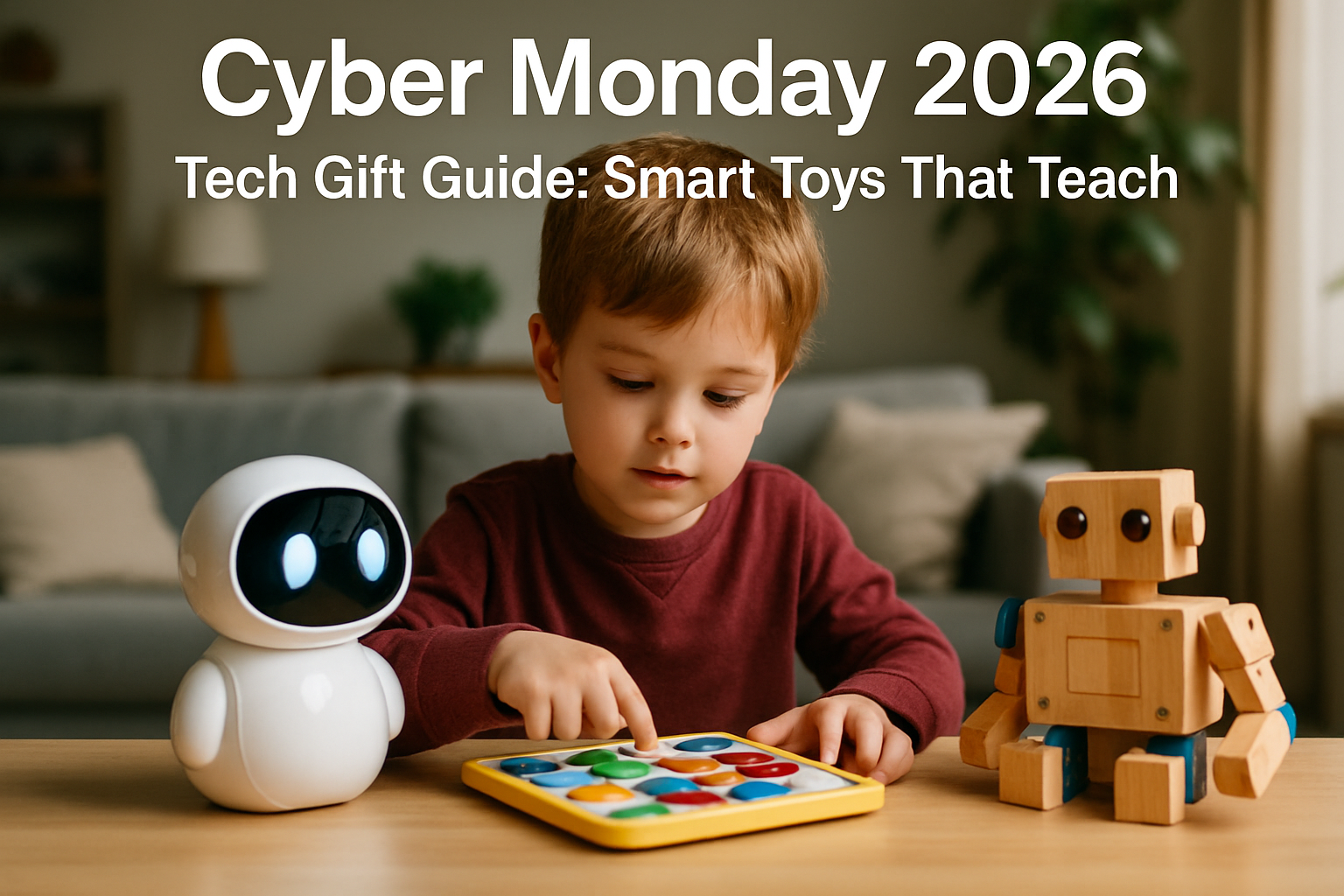

The market for smart toys designed to educate is poised for remarkable growth as we approach Cyber Monday 2026. This surge is primarily driven by the increasing consumer demand for educational toys that promote learning in crucial areas such as Science, Technology, Engineering, and Mathematics (STEM). Many experts predict that sales figures will continue to rise, fueled by the popularity of hands-on learning experiences. Parents and educators alike recognize the value of toys that not only entertain but also impart foundational skills essential for future success.
As the landscape of educational toys evolves, there is a marked preference for products that bolster problem-solving skills, creativity, and collaborative play. Consumers are gravitating towards toys that feature educational value, interactivity, and uncompromising safety standards. This alignment with modern educational goals reflects a fundamental shift towards fostering skills that children will need in an increasingly complex world. The focus is clear: parents want toys that can engage their children in meaningful ways while promoting essential developmental milestones.
In addition to evolving consumer preferences, the integration of cutting-edge technology is making waves in the world of smart toys. The incorporation of augmented reality (AR) is revolutionizing how children engage with educational content, making learning more immersive and enjoyable. With the rise of artificial intelligence (AI) in smart toys, children can experience interactive gameplay that adapts to their learning pace, enhancing their educational journey. Toys that allow kids to visualize concepts related to coding, engineering, and other STEM fields are becoming increasingly favored, highlighting the importance of engaging educational tools in today’s market.
Sustainability is also a critical consideration in the production of smart toys. A growing number of consumers prefer products made from eco-friendly materials, signaling an important trend towards environmentally responsible toys. Parents are increasingly inclined to support brands that prioritize sustainable practices and ensure non-toxic materials in their toy manufacturing processes. This shift not only reflects a commitment to child safety but also underscores a collective desire to foster a healthier planet for future generations.
Overall, the smart toy market for Cyber Monday 2026 embodies a blend of educational value, technological innovation, and sustainability, ensuring that children receive toys that not only entertain but also equip them with indispensable life skills.
The toy industry is experiencing an exciting shift as we look toward the holidays of 2026. Key trends focusing on innovation and engagement are defining this season's offerings. Notably, animatronic toys are gaining traction due to their interactive features that delight children and foster imaginative play. The compelling narratives tied to such toys not only enhance the play experience but also create emotional connections that resonate with young users. As children interact with these toys, they are drawn into imaginative worlds, allowing for open-ended play where the only limit is their creativity. This engagement is crucial, as children are increasingly leaning towards toys that offer narrative depth and interactive elements.
In addition to animatronic toys, model-based toys stand poised to capture a significant market share this holiday season. These toys typically include transforming models and building kits, merging nostalgia with modern play. The appeal lies in their ability to inspire creativity—kids are invited to construct, rebuild, and redefine how they play. This hands-on approach not only cultivates fine motor skills but also promotes problem-solving abilities as children navigate the building process. With parents eager to find toys that encourage creativity, these products are likely to be at the top of holiday wish lists. The combination of nostalgia and innovative design provides a unique appeal, cementing these toys as favorites among both children and their parents.
Sensory play toys represent another vital category trending this holiday season, focusing on tactile engagement for younger audiences. Toys that provide sensory experiences, such as slime and squishy toys, allow children to explore different textures and sensations, enhancing their fine motor skills and sensory development. The popularity of these toys reflects an understanding that children learn and engage through touch; they find joy in manipulating materials that are fun and stimulating. Parents and caregivers are increasingly recognizing this value, leading to a sustained interest in products that promote such interactive play. Furthermore, as children find enjoyment through sensory exploration, these toys also serve as effective tools for calming activities, contributing to emotional well-being.
Lastly, the emphasis on STEM principles in toys cannot be overlooked. The demand for educational toys that teach fundamental engineering concepts is on the rise as parents seek to balance fun with educational value. Many parents now prioritize toys that are not only entertaining but also provide cognitive challenges, nurturing skills such as critical thinking and creativity. The appeal of combining learning with play is significant; toys that engage children intellectually while they explore and create are becoming staples in many households. With these emerging trends in toy design, the holidays of 2026 promise to be filled with vibrant, engaging toys that fuel both joy and learning, making for a memorable gift-giving season.
Educational toys play a vital role in children's development, intertwining the essence of fun with learning. By facilitating learning through play, these toys encourage children to explore various concepts and ideas in a safe and engaging manner. As children interact with these toys, they not only occupy their time but also absorb valuable lessons that aid their cognitive growth. For instance, through simple activities, children learn things like cause and effect, enhancing their understanding of the world around them.
Furthermore, educational toys are designed to encourage creativity, problem-solving, and critical thinking. As kids engage with these products, they are often put in situations that require them to think outside the box. Whether it's building structures, completing puzzles, or engaging in role-play, children learn to approach challenges effectively and develop essential reasoning skills. This exploratory play is fundamental in nurturing independent thinkers who are prepared to tackle academic and life challenges head-on.
Finally, educational toys can specifically support developmental milestones in children across various age groups. These toys adapt to different stages of growth, ensuring that they remain relevant as children progress. For instance, toys intended for toddlers may focus on basic motor skills, while those for older children might emphasize logic and complex thinking. This adaptability is essential for fostering skills that will benefit children throughout their educational journey.
In 2026, the emphasis on educational toys that promote early learning through sensory play and problem-solving is more pronounced than ever. Toys that include different textures, sounds, and colors can inspire curiosity and invite kids to experiment. Sensory experiences are foundational in helping children understand their environment better, as they can connect with various stimuli. These toys not only keep children engaged but also promote effective learning through hands-on experiences.
Moreover, games that promote strategic thinking and family interaction have gained attention in recent years. Such games not only sharpen cognitive skills but also encourage collaboration among family members. When children play these games with their parents or siblings, they develop social skills and learn the value of teamwork. It's an excellent opportunity for families to strengthen their bonds while also working towards common problem-solving goals.
Multi-functional play tables are another significant trend in educational toys for 2026. These tables can host a variety of activities, catering to different skill sets in toddlers from fine motor skills to cognitive development. The versatility of such tables makes them appealing as they allow multiple ways of play, thus ensuring that every child can find a type of engagement suited to their developmental needs. Building sets that enhance creativity and imaginative play are also prevalent, allowing children to express themselves and develop their artistic abilities while learning structural concepts.
As technology continues to evolve, interactive educational devices are at the forefront of the educational toy market in 2026. These devices blend technology with educational content, engaging children in a dynamic learning environment. By utilizing interactive elements such as touch screens, augmented reality, or audio feedback, these toys captivate children's attention and encourage learning through exploration. The combination of technology and educational play has made it easier for kids to grasp complex concepts in fun ways.
Furthermore, games that promote logical thinking and storytelling skills have also found a niche in the educational toy sector. Storytelling toys provide children with opportunities to craft narratives, thereby enhancing their language skills and creativity. Toys that require logical reasoning challenge children to think critically, analyze situations, and make informed decisions. These experiences not only cultivate cognitive skills but also foster a sense of confidence as children successfully navigate through challenges and come up with solutions.
In conclusion, the landscape of educational toys in 2026 is vibrant and diverse, offering countless options that cater to a toddler's developmental journey. From sensory play to technology-integrated learning tools, educational toys facilitate meaningful engagement, encouraging children to learn while they play. As parents and guardians choose these toys, they contribute to crafting future generations equipped with essential skills for academic success and personal growth.
As technology becomes increasingly integrated into everyday life, engaging tech toys continue to capture the attention of young minds. One of the most exciting categories is toys that promote coding. These interactive toys allow children to learn programming concepts in a playful manner, making coding accessible and fun. Many of these toys provide immediate feedback, allowing kids to see the results of their code in real-time. This hands-on approach not only reinforces learning but also fosters problem-solving skills as children troubleshoot and refine their coding techniques.
In addition to coding, there are devices designed to introduce children to the basic principles of electricity. These toys often include components that can be assembled to create simple circuits, providing a tactile learning experience. Kids can experiment with different configurations to understand how electricity flows, power devices, and even create their own light-up projects. These interactive platforms ignite curiosity and inspire an early interest in STEM (science, technology, engineering, and mathematics) subjects, ensuring that children are equipped with essential knowledge in our increasingly tech-driven world.
Moreover, tech toys that allow creative expression have gained popularity. Digital art tools enable children to explore their artistic side in new and innovative ways. These devices might include drawing tablets with styluses, software for music production, or apps for graphic design. By melding technology with creativity, these tools encourage children to learn about color, composition, and design while also integrating technology into their artistic processes. This combination not only nurtures talent but also prepares kids to navigate a future where creativity and technology often go hand in hand.
When it comes to selecting tech gifts for children, Cyber Monday offers an abundance of options that focus heavily on education while ensuring engagement. STEM kits are among the most sought-after items during this shopping frenzy. These kits promote hands-on experiments and provide children with the tools to conduct their own scientific tests at home. By exploring various scientific principles through experimentation, children enhance their understanding of the physical world and develop critical thinking skills.
In addition to STEM kits, coding robots have become essential tech gifts that combine learning with play. These robots can perform tasks based on the programming that children input, making the learning process interactive and enjoyable. Not only do these devices teach coding, but they also promote teamwork and encourage children to think critically as they work to navigate the robots through challenges. The gamification of programming tasks ensures that kids remain engaged while they learn crucial 21st-century skills.
Another fantastic offering in the 2026 tech gift landscape is interactive learning games. These games are designed to gamify physical activity, making learning a dynamic experience. Children can participate in games that require movement, coordination, and even social interaction, ensuring they stay active while absorbing knowledge. Innovative learning games that merge physical and cognitive tasks encourage a balanced approach to education, combining fun and fitness in a way that captivates young audiences. Such gifts prioritize active engagement, making them ideal choices for parents looking to support their children's learning journey during the holiday season.
Smart toys are innovative playthings designed to enrich child development through interactive technology. Unlike traditional toys that offer limited engagement, smart toys incorporate advanced features, such as sensors and connectivity, which allow them to react to a child's actions. This interactivity creates a dynamic learning environment, where children can explore, experiment, and grow. The primary purpose of smart toys is to support cognitive development, emotional growth, and social skills, making them a valuable addition to modern play.
The shift from traditional toys to smart toys marks a significant transformation in how children interact with their play environment. Traditional toys often serve a single function, while smart toys engage kids on multiple levels. They can adapt to a child’s learning pace, providing tailored experiences that promote critical thinking, creativity, and problem-solving. By integrating educational content into play, smart toys create a seamless blend of fun and learning, encouraging children to explore new concepts in an engaging manner.
As these toys evolve, their design focuses not only on entertainment but also on educational merit. Smart toys are engineered to address various developmental milestones, making them suitable for a wide age range. This connection to developmental psychology underpins their effectiveness in promoting skills such as collaboration, communication, and critical thinking. Therefore, the introduction of smart toys represents a forward-thinking approach to play, aligning with contemporary educational goals and children’s needs.
The technological capabilities of smart toys significantly enhance their educational value. Sensors and connectivity enable these toys to respond to children’s actions in real time. For instance, a smart toy may recognize when a child touches it or speaks to it, prompting a specific response that fosters interaction. This feedback loop encourages children to experiment, as they see the direct consequences of their actions, thereby reinforcing learning through cause and effect.
Smart toys often utilize sensors to simulate real-world scenarios, providing children with valuable experiences that mirror everyday activities. For example, a toy designed to mimic a car might respond to a child's movements, teaching them about physics and spatial awareness. Similarly, toys that incorporate sound or visual effects can help children understand and interpret various stimuli, honing their sensory processing skills. This ability to simulate real-world situations promotes critical thinking and problem-solving, as children learn to navigate different challenges presented by the toy.
Moreover, the connectivity that smart toys offer enables them to link with other devices, such as tablets or smartphones, expanding the interactive experience. These connections allow for updated content and the integration of educational apps that further enhance learning opportunities. As smart toys continue to evolve, their technological sophistication will play a key role in bridging the gap between play and education, allowing children to engage in richer and more meaningful experiences.
Smart toys are specifically designed to cultivate essential skills in children, such as problem-solving and computational thinking. These skills are increasingly important in an interconnected world where technology plays a crucial role. By engaging with smart toys, children are introduced to concepts of logic and reasoning, which are foundational for future learning in subjects like mathematics and science. These toys often feature challenges that require kids to think critically and devise strategies, reinforcing their learning in a playful, low-stress environment.
Additionally, many smart toys are intended for use in organized educational settings, such as classrooms or learning centers. They are designed to align with educational standards, ensuring that children not only have fun but also meet developmental benchmarks. Educators can utilize these toys in structured activities that highlight specific learning outcomes. For instance, a smart toy focusing on literacy might offer story prompts that encourage children to construct narratives, thereby enhancing their language skills in an interactive manner.
The educational affordances of smart toys extend beyond individual play. They also provide opportunities for collaborative learning, where children can work together to solve problems or navigate challenges presented by the toy. This collaboration fosters social skills and teamwork, which are essential for success in both school and everyday life. As such, the integration of smart toys in educational settings represents a significant step forward in creating an engaging and effective learning environment for children.
Smart toys are crafted with an acute awareness of developmental stages, ensuring that they cater to the varying needs of children as they grow. For infants, sensory exploration is paramount. Smart toys tailored for this age group often incorporate textures, sounds, and lights that stimulate sensory development. Such toys encourage infants to explore through touch and sight, laying the groundwork for cognitive and motor skills that will support their overall growth.
As children transition into preschool, smart toys evolve to include elements of role-playing and social interaction. Toys designed for this age group often present scenarios that encourage imaginative play, allowing children to explore different roles and practice social skills. This type of play is instrumental in helping preschoolers understand the world around them, fostering empathy as they navigate the dynamics of sharing and cooperation. Smart toys at this stage may also begin to introduce simple educational concepts, such as counting or alphabet recognition, setting a solid foundation for future learning.
Overall, the thoughtful design of smart toys ensures they provide age-appropriate challenges that resonate with children's developmental milestones. As parents and educators choose toys for their children, understanding how age-appropriate learning is integrated into smart toys can help them select options that promote growth and learning. By nurturing children’s development through tailored play experiences, smart toys enhance learning in ways that traditional toys simply cannot.
The year 2026 promises a remarkable variety of smart toys that cater to the diverse needs of children across various age groups. This curated gift guide presents a wide array of options that emphasize both educational value and entertainment. Smart toys are designed to captivate children's imaginations while also supporting their developmental milestones. With advancements in technology, these toys harness interactive elements that engage children in meaningful play experiences.
One of the standout features of smart toys in 2026 is their educational component. Many of these toys incorporate learning principles like problem-solving, critical thinking, and creativity. They encourage children to explore and experiment, allowing for hands-on learning that can adapt to different learning styles. Whether it’s through coding games, creative art projects, or science experiments, smart toys serve as excellent tools for parents looking to supplement their children's education in a fun and engaging way. In addition to fostering intellectual development, they also aim to enhance social skills, promoting collaboration and communication among peers.
Beyond education, the entertaining value of smart toys cannot be overlooked. Many contemporary designs include interactive elements that respond to a child's actions, providing instant feedback and a sense of accomplishment. This feature not only maintains children's interest but also nurtures their emotional intelligence and resilience. Additionally, many toys come with apps or online platforms that allow for extended play possibilities, ensuring that the experience remains dynamic and fresh. The balance of learning and play is strategically woven into the design of these toys, making them multifaceted tools that enrich children's lives.
The innovative features of interactive sets available in 2026 establish a new benchmark for children's play. These sets often combine tangible components with digital elements, creating an immersive experience that captivates young minds. Through augmented reality experiences and apps that correlate with physical toys, children find themselves in enriched environments where their creativity and imagination are propelled to new heights. Interactive sets foster cooperative play, encouraging children to collaborate in building something together, whether it's a project, a specific narrative, or challenges that require teamwork to solve.
Moreover, a notable trend in smart toys is the promotion of caring behavior and emotional engagement through play. Many toys now focus on nurturing empathy and social skills; features are included that simulate pet care, community involvement, and problem-solving through cooperative scenarios. This encourages children not only to play but to develop essential life skills while doing so. Environments that mimic real-life situations allow kids to practice critical thinking and emotional understanding, which is crucial in forming connections with others and the world around them.
The charm of these toys lies in their multidimensional appeal. They not only provide entertainment and learning but also inspire caring behavior. As technology continues to evolve, the designers of smart toys keep children’s developmental needs in mind, ensuring that each toy delivers a balance of educational content and emotional growth. This approach not only helps kids enjoy playtime but also lays a solid foundation for becoming compassionate and engaged individuals. In 2026, smart toys stand as a testament to the pleasurable combination of education, creativity, and socialization in children's growth and development.
The integration of technology into early childhood education has the potential to enhance the learning experience significantly. One of the primary benefits is the role technology plays in improving engagement. With interactive tools and digital platforms, educators can create dynamic learning environments that captivate young minds. Children are naturally drawn to visuals, sounds, and interactive elements, which can lead to more enthusiastic participation. By leveraging technology, educators can tailor learning experiences to suit individual preferences, making education more personalized. This increased engagement can foster a love for learning that lays the foundation for future academic success.
Additionally, the use of technology in academic assessments has transformed how educators evaluate student progress. Digital assessment tools allow for real-time feedback, enabling teachers to identify areas where students excel or struggle. This immediate feedback loop facilitates timely interventions, helping educators support each child’s learning journey more effectively. For instance, adaptive learning software can adjust difficulty levels based on a child's performance, ensuring that they remain challenged yet not overwhelmed. Such tools not only streamline the assessment process but also empower children to take ownership of their learning by monitoring their progress interactively.
Moreover, technology can equip educators with a wealth of resources that would otherwise be unavailable. Online libraries, educational apps, and multimedia content can enrich the curriculum, making lessons more vibrant and multifaceted. These resources can inspire creativity in learning, encouraging children to explore subjects in depth and from various angles. The accessibility of information also encourages inquisitive minds to ask questions and seek answers beyond the traditional classroom setting, fostering a more profound understanding of the world around them.
While the advantages of technology in early childhood education are notable, it is essential to recognize the potential downsides. One significant concern is that excessive reliance on technology may hinder the development of personal interaction skills. Young children learn vital social skills through face-to-face communication, play, and collaboration with peers and adults. When technology becomes a primary mode of interaction, opportunities for these critical experiences can diminish. This lack of interpersonal communication can lead to difficulties in forming relationships and understanding social cues later in life.
Furthermore, research has linked high exposure to screens with various cognitive challenges. Young children, particularly those in their formative years, are at a crucial stage of brain development. Screen time can lead to reduced attention spans, diminished language skills, and even issues with emotional regulation. Continuous exposure to screens can also disrupt sleep patterns, which are vital for healthy growth and learning. Consequently, finding a balance between technology use and other developmental activities is essential in fostering an environment conducive to holistic child development.
In light of these drawbacks, educators and parents are called to assess their approach to technology in early childhood education. It is not merely about how much technology is utilized, but rather how it is integrated alongside real-world experiences that cultivate social and emotional skills. Educational technology should enhance learning without replacing the rich, interpersonal experiences that young children need to thrive.
The challenge lies in leveraging technology as a beneficial tool while ensuring it does not replace essential personal interactions. To strike the right balance, educators and parents must acknowledge that technology is not inherently harmful but can be detrimental if misused. Educators should encourage technology use that complements traditional teaching methods rather than relegates them to the background. By incorporating technology in moderation, children can enjoy the best of both worlds—digital engagement and meaningful face-to-face interactions.
Moreover, setting boundaries around screen time is a vital strategy in harmonizing the benefits of technology with traditional learning approaches. Parents and educators can collaborate to establish guidelines that promote healthy screen habits while allowing children to explore educational content. Activities that stimulate interaction, such as group play or collaborative projects, should be woven into the daily routine, highlighting the importance of human connection and interpersonal skills.
Ultimately, the goal should be to create an educational environment where technology supports learning while preserving the fundamental elements of personal interaction. By cultivating spaces where children can engage with technology and interact with their peers, we pave the way for a holistic approach to development that values both innovation and the human experience.
Smart toys have transformed the play experience for children, integrating advanced technology that offers interactive features and learning opportunities. However, with these innovations comes the responsibility to ensure safety, which is vital in the toy industry. Safety regulations aren't just guidelines; they serve to protect children from potential hazards associated with toys. The introduction of smart technology in toys challenges traditional safety standards. This evolution requires regulators to reassess existing regulations to address risks related to data security, battery safety, and electronic components. Ensuring that the benefits of smart toys do not come at the expense of child safety is paramount.
In both the USA and the EU, the response to these challenges has involved significant regulatory enhancements. Manufacturers must navigate complex frameworks to demonstrate compliance. For instance, toys now face scrutiny not only for physical safety—like avoiding sharp edges or toxic materials—but also for digital safety, ensuring that children’s interactions with these devices are secure. Gaining an understanding of these evolving regulations is essential for manufacturers and consumers alike.
Selecting the right toys for children is essential for their development. Smart toys, which often incorporate technology, play a crucial role in supporting growth in several areas, including cognitive, social, and emotional skills. These innovative toys can facilitate a child's learning by providing interactive and engaging experiences that traditional toys may lack. When parents choose smart toys, they must consider how these options can foster curiosity and creativity in their children. By recognizing the developmental benefits that smart toys offer, caregivers can make informed decisions that positively impact their child's growth.
Smart toys provide numerous advantages beyond traditional playthings. They often feature interactive elements that respond to a child's actions, encouraging problem-solving and critical thinking. Additionally, many smart toys can adapt to a child's learning pace, offering personalized challenges that keep engagement levels high. This adaptability not only makes learning enjoyable but also helps children retain information more effectively. Moreover, smart toys can promote collaborative play, allowing children to share experiences and learn to work in teams, further enhancing their social skills. Understanding these benefits sets the stage for choosing the best smart toys for a child's unique needs.
When selecting smart toys, it's important to consider several key factors to ensure safety, durability, and educational value. First, parents should verify that the toys meet safety standards and are made from non-toxic materials. This is essential for preventing potential hazards. Durability is also crucial, as children are often rough on their toys. Opting for products that can withstand playtime abuse will provide lasting value. Furthermore, toys should align with a child's developmental stages; choosing age-appropriate options will ensure that the toys are engaging and educational.
Another essential factor is the educational value of the smart toys. Parents should look for toys that encourage learning in areas such as language, mathematics, or science. These toys should stimulate curiosity and promote knowledge acquisition through play. Engaging with children during their playtime can further enhance the experience. Adults can join in, guiding children through challenges and encouraging discussions about their learning. This active participation not only strengthens the bond between parent and child but also enriches the educational experience, providing a platform for deeper learning and understanding. By keeping these factors in mind, caregivers can choose smart toys that contribute significantly to their children’s development.
The world of children's educational toys is evolving, with a significant influence from the emerging demographic known as 'kidults.' This term refers to adults who enjoy toys and games traditionally designed for children, contributing noticeably to the toy sales market. As this trend continues to grow, the boundaries of who is considered a toy consumer are expanding, thus allowing for a broader audience that includes teens and adults. The implications of this shift are twofold: the diversification of toy offerings and a broader approach to marketing strategies, targeting not just children but also appealing to adult collectors and nostalgia-driven consumers.
Furthermore, the expansion of the toy market beyond children has led to a surge in innovative designs and concepts. Many manufacturers are now creating toys aimed at various age groups, promoting multi-generational play and educational experiences. This approach not only increases engagement across different age demographics but also enhances the learning aspects of toys, making them more appealing to parents concerned about the educational value of what their children play with. Adult participation in these educational formats can foster family bonding and shared experiences, an aspect that is increasingly finding its way into product development.
As a direct consequence of these trends, many companies are now focusing on creating educational toys that are not only interactive but also intellectually stimulating, fostering creativity and critical thinking. These shifts in consumer behavior toward more inclusive playing experiences showcase how the definition of educational toys is evolving, bringing with it fresh opportunities for producers and retailers alike.
One significant emerging trend is the concept of 'Forever Young,' where toy designs appeal to sentiments of nostalgia across various age levels. This trend acknowledges the emotional connections people have with toys from their childhood, sparking interest in products that evoke previous joys and memories. It serves to create a sense of familiarity and comfort, making these toys more than just playthings—they become cherished keepsakes. By catering to this desire for nostalgia, manufacturers can create educational toys that offer value to all ages, enriching the play experience and making learning more accessible and enjoyable.
Simultaneously, the rise of 'Cozy Culture' is shaping consumer preferences, where there is a clear shift toward low-tech toys that emphasize emotional connections and sensory experiences. Parents and caregivers are increasingly valuing toys that encourage imaginative play over high-tech gadgets. This trend stems from a growing awareness of the importance of social and emotional development in children, leading to a preference for toys that promote cooperative play and emotional understanding. Educational toys that are simple yet engaging can help foster critical life skills, empathy, and socialization, setting a strong foundation for children's development beyond academic performance.
In essence, these emerging trends highlight the evolving nature of educational toys, reflecting broader societal shifts in attitudes towards play and learning. With an emphasis on emotional connections, nostalgia, and inclusivity, the landscape of children's educational toys in 2026 promises to be dynamic and rich in opportunities for growth and innovation, continually adapting to meet the needs of diverse consumers.


Smart Toy Trends for Cyber Monday 2026 The market for smart toys designed to...


Smart Toy Trends for Cyber Monday 2026 The market for smart toys designed to...