Black Friday 2026: The 10 Toy Deals Grandparents Are Ordering Early
Introduction to Cyber Monday 2026The anticipation surrounding Cyber Monday co...

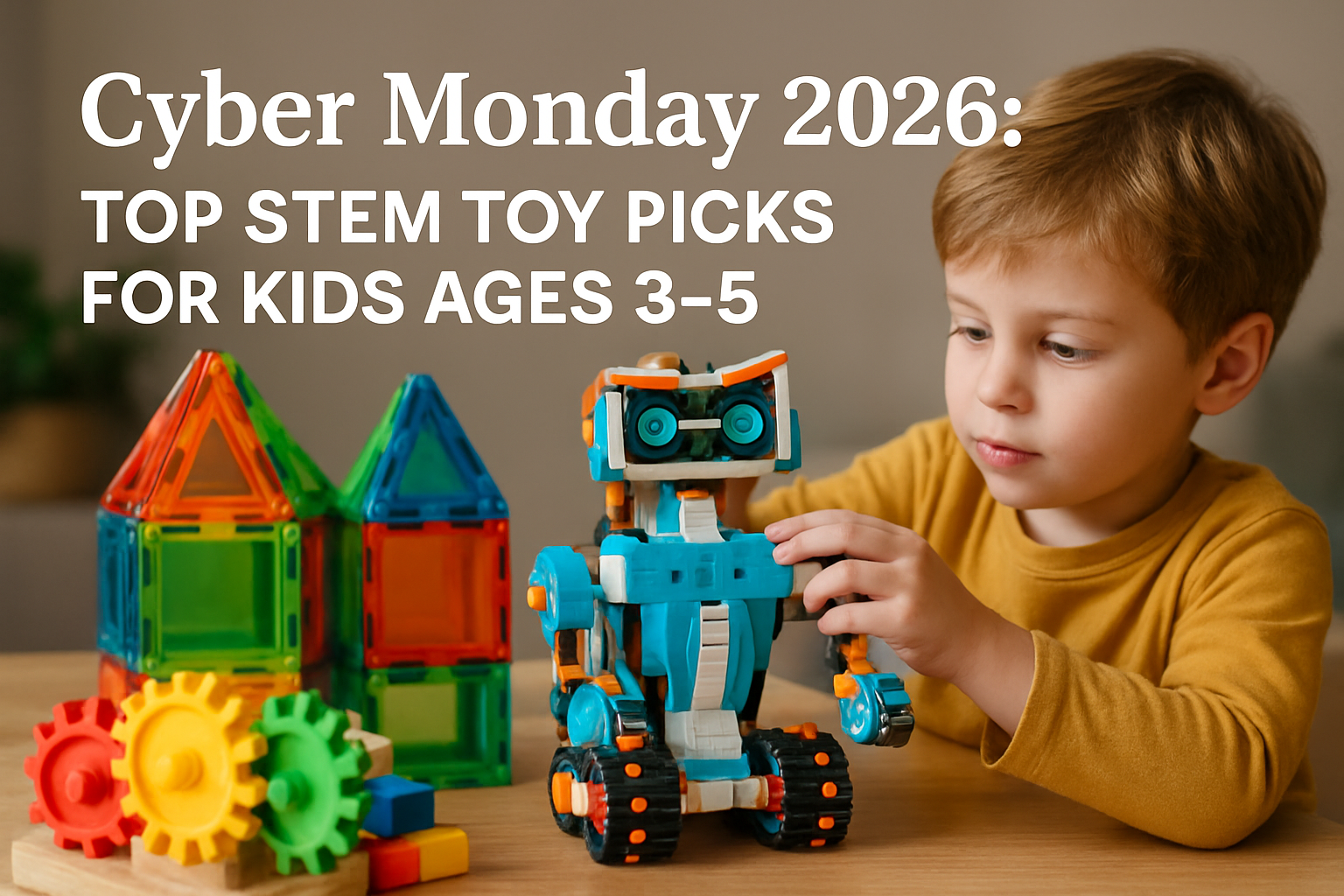

The anticipation surrounding Cyber Monday continues to grow, shape-shifting into a massive online shopping phenomenon that captivates consumers worldwide. Originating in 2005, this shopping event began as a way for retailers to entice customers to shop online after the Thanksgiving holiday. Over the years, Cyber Monday has morphed into a primary retail event, showcasing remarkable growth in both participation and sales. Today, it is perceived as an essential component of the retail calendar, often rivaling Black Friday in value. The continued expansion of e-commerce platforms and a consumer shift towards online shopping have only heightened its significance, making it a pivotal moment for retailers looking to maximize their outreach and boost their sales figures.
As Cyber Monday has evolved, so have the strategies and technologies that retailers employ to cater to consumer demands. Increasingly sophisticated online shopping interfaces, personalized marketing approaches, and rapid delivery options have become critical in gaining customer loyalty. These changes enable stores to better meet the expectations of a tech-savvy audience seeking convenience and efficiency. As a result, consumers have come to expect deep discounts and exclusive deals during this time, further intertwining Cyber Monday with the holiday shopping season. In direct response to this consumer behavior, retailers continually adapt their offerings and tactics to ensure they maintain relevance and drive sales.
Furthermore, the capabilities of digital payment options and the rise of social media marketing are reshaping the landscape of Cyber Monday. These advancements not only foster a streamlined shopping experience but also empower consumers with tools to make informed decisions quickly. In aligning with modern consumer preferences, Cyber Monday has grown from a simple online shopping day into a week-long event, often beginning earlier than traditional Cyber Monday itself. This evolution underscores the necessity for retailers to remain agile and innovative to meet the ever-shifting tides of consumer behavior and technology.
In recent years, the convenience of online shopping has significantly altered the way consumers approach holiday purchases. Today, shoppers are drawn to the flexibility of browsing and buying from the comfort of their homes, which has fueled an ongoing increase in online sales. This shift aligns with changing lifestyles that prioritize ease and accessibility, particularly for busy families and working professionals. Cyber Monday, in particular, has become synonymous with online shopping, further reinforcing the trend as consumers realize that the best deals are often just a click away.
Mobile commerce has also played a vital role in revolutionizing the online shopping experience. With smartphones becoming essential tools for everyday tasks, more consumers are utilizing their devices to shop on Cyber Monday. Retailers have invested heavily in mobile-friendly websites and apps, allowing shoppers to browse products, compare prices, and complete transactions seamlessly. This shift toward mobile commerce not only boosts sales figures but also enables retailers to reach a broader audience, appealing to consumers who prefer the immediacy and convenience of shopping via their smartphones.
As consumer behavior continues to evolve, so do preferences for online shopping experiences. Shoppers increasingly seek personalized interactions, responsive customer service, and positive shopping environments. Retailers who embrace these shifting attitudes are likely to thrive in the competitive Cyber Monday arena. Offering tailored suggestions and streamlined payment processes, alongside enhanced customer service, can significantly impact the shopping experience. These trends illustrate that understanding and adapting to consumer behavior is essential for success during Cyber Monday and beyond, as traditional retail models wrestle with the changing demands of modern consumers.
STEM toys, an acronym for Science, Technology, Engineering, and Mathematics, are specialty educational tools designed to promote learning in these critical fields through engaging hands-on activities. These toys are characterized by their ability to encourage exploration, problem-solving, and creativity in children. By integrating these components, STEM toys create an interactive environment where children can gain foundational skills that support their academic and professional futures. The uniqueness of STEM toys lies in their ability to blend education with entertainment, making learning about complex subjects enjoyable and accessible for younger audiences.
The benefits of STEM toys in child development are vast, encompassing cognitive, social, and emotional growth. For instance, engaged play with these toys enhances critical thinking and boosts imagination. Children learn to navigate challenges and develop resilience as they experiment and discover solutions to problems. Moreover, cooperative play with STEM toys fosters teamwork and communication skills, essential attributes as children grow into adulthood. Research indicates that early exposure to STEM concepts is linked to improved performance in advanced studies, emphasizing the toys' role in laying a strong educational foundation.
As society becomes increasingly aware of the importance of STEM education, the recognition of STEM toys as a vital educational resource has grown. Educators and parents alike have started to view these products as essential for developing future innovators and problem solvers. This shift in perception has led to a substantial rise in demand for STEM toys, with resources being allocated to promote their integration in schools and homes. Understanding their significance is pivotal for grasping the dynamics of the STEM toys market today.
The STEM toys market has witnessed remarkable sales growth, particularly in the lead-up to major shopping events like Cyber Monday 2026. Statistical projections indicate that sales figures for STEM toys are on an upward trajectory, reflecting both consumer interest and educational trends favoring hands-on learning. These statistics point to a robust market where quality and innovative educational toys are in high demand, catering to an audience increasingly aware of the benefits linked to STEM education.
Looking ahead, the projected trends for STEM toy sales post-Cyber Monday are optimistic. Analysts anticipate that the momentum gained during peak shopping seasons will not diminish. Instead, growth is expected to continue as educators push for increased resources in STEM curricula and parents prioritize educational quality in their purchasing decisions. The rise of remote learning and home schooling amid recent global shifts has also buoyed the market, as families seek engaging and educational alternatives for at-home activities.
Several factors are influencing this growth in the STEM toys market. For one, the increasing emphasis on technology integration in educational settings has heightened awareness of STEM principles among young learners. Additionally, various initiatives aimed at promoting STEM education emphasize the importance of early childhood exposure to these disciplines, further driving demand for STEM toys. Finally, the introduction of innovative designs and functionalities has created a competitive edge, appealing to parents and educators seeking effective learning tools. As these dynamics unfold, the STEM toys market is poised for continued expansion, aligning perfectly with the evolution of educational methodologies.
The landscape of STEM toys is evolving, with consumers increasingly prioritizing specific attributes that enhance the educational experience for children. Among the most sought-after features are educational value and interactivity. Parents are keenly aware of the need for toys that not only entertain but also impart knowledge and skills. Products that encourage problem-solving, critical thinking, and creativity are at the forefront of consumers' minds. As children interact with these toys, they develop essential cognitive abilities, which parents recognize as extremely beneficial for their children's growth and development.
Safety and quality are also paramount considerations for consumers when choosing STEM toys. Parents want assurance that the materials used are non-toxic and safe for children. This concern goes hand-in-hand with a broader trend toward eco-friendliness. Many buyers are actively seeking toys made from sustainable materials that do not harm the environment. As awareness about environmental issues continues to rise, consumers tend to gravitate towards companies that demonstrate a commitment to sustainability in their production practices. This shift is likely to influence buying decisions, as parents are inclined to support brands that align with their values regarding safety, quality, and sustainability.
Furthermore, the playful aspect of toys cannot be overlooked. Creative engagement through hands-on activities and experimentation is crucial in achieving educational goals while keeping children entertained. As electronic devices become ubiquitous, parents are eager to find toys that provide a break from screens and encourage active, tactile interaction. Thus, the most effective STEM toys in 2026 will likely combine robust educational content with high interactivity and engaging physical experiences that stimulate children's imaginations.
Understanding the demographics of STEM toy buyers is essential for identifying the target market. Research shows that the primary consumers of these toys are parents, particularly those with children aged 3 to 12 years. Within this age group, there is a notable trend toward increased purchasing among parents of younger children, who are keen to instill a love for science, technology, engineering, and mathematics early on. As children progress to higher grades, the focus shifts toward more complex and sophisticated toys that challenge their growing intellect.
Age also plays a crucial role in purchasing patterns. Millennial and Gen Z parents are increasingly the dominant demographic in the STEM toy market. This age group often prioritizes educational value and product safety more than previous generations. Their upbringing was characterized by the digital age, which has fostered a unique understanding of the importance of STEM skills. Consequently, they are more inclined to invest in educational toys that prepare their children for a technology-driven future.
Parental involvement significantly impacts purchasing decisions in this sector. Many parents actively engage in the shopping process, conducting research and reading reviews before making a purchase. This involvement doesn't merely reflect a desire for quality but also stems from a shared commitment to fostering a conducive learning environment at home. With the rise of online shopping and social media, parents frequently seek recommendations from trusted sources and communities, showcasing the importance of peer influence on buying trends. As this trend continues, understanding these dynamics will be crucial for manufacturers and retailers aiming to appeal to the modern consumer in the STEM toy market.
As we look ahead to Cyber Monday 2026, several emerging trends are set to reshape the STEM toy market. One notable trend is the integration of innovative features that enhance interactivity and user engagement. Toys incorporating augmented reality (AR) and virtual reality (VR) are gaining ground, providing immersive experiences that can deepen children's understanding of concepts like coding and engineering. By using these technologies, manufacturers are enabling children to visualize complex ideas and principles, enhancing learning through play. As accessibility to these technologies improves, expect a wider range of STEM toys to incorporate AR and VR capabilities, making learning more captivating.
Moreover, technological advancements are continuing to influence the design and functionality of STEM toys. For instance, toys equipped with artificial intelligence (AI) are becoming increasingly popular. These AI-integrated toys can adapt to a child's learning pace, offering tailored challenges that encourage problem-solving skills. This customization not only keeps children engaged but also promotes a personalized learning experience. With a focus on creating toys that adapt to individual learning styles, it is anticipated that many manufacturers will prioritize AI-enhanced products in their offerings by 2026.
Additionally, there could be a potential shift in focus areas within the STEM toy market. While coding and robotics have historically dominated the landscape, there is a budding interest in areas such as environmental science and sustainability. Toys that teach children about renewable energy, ecology, and sustainability are likely to gain traction. This shift may reflect a broader societal push toward environmental awareness and responsibility. As education systems increasingly emphasize these themes, parents may seek out STEM toys that align with these values, giving rise to a new category of environmentally-conscious learning tools.
While the projected trends for Cyber Monday 2026 hold promise, retailers must also be prepared to navigate significant challenges. One critical issue impacting availability is the potential for supply chain disruptions. The manufacturing and distribution networks for STEM toys are complex and often affected by external factors such as geopolitical tensions and resource shortages. Retailers must therefore develop robust supply chain strategies to mitigate risks and ensure they can meet consumer demand on Cyber Monday. This might involve building relationships with multiple suppliers or investing in inventory management technologies that can provide real-time insights into stock levels across different locations.
Retailers can capitalize on emerging trends by employing strategic approaches that enhance visibility and accessibility of their products. Effective use of data analytics can assist in understanding buyer preferences and trends, which would allow retailers to tailor their offerings to meet consumer interests during the high-traffic shopping period. Creating engaging online content, such as videos demonstrating the interactive features of STEM toys, can also elevate consumer interest and influence purchasing decisions. In essence, combining insights from market trends with proactive strategies ensures retailers can take advantage of the growing STEM category.
Marketing and proper product placement during Cyber Monday will be paramount for success. As the competition intensifies, having an effective marketing strategy that highlights the unique features of STEM toys will help to capture consumers' attention. Retailers should consider targeted promotions and time-sensitive deals that encourage immediate purchases. Additionally, leveraging social media platforms for promotional efforts can create buzz around specific products right before Cyber Monday. Ultimately, those retailers who are prepared and agile will not only survive but thrive, capturing market share during this crucial shopping event.
The trends observed in 2026 reveal a significant shift in the way consumers interact with STEM toys. The growing emphasis on educational value and innovation in toy design means that these toys are becoming more than just tools for play; they are essential instruments for learning and development. Parents are increasingly seeking products that foster skills such as coding, engineering, and critical thinking. This focus on educational benefits is reshaping consumer choices, emphasizing the need for toys that not only entertain but also educate. As a result, manufacturers are responding by enhancing their product lines to include more sophisticated and highly engaging STEM options.
Furthermore, the implications for retailers are profound. Those who adapt to these trends by curating more educational and innovative STEM toy selections are likely to capture the interest of this increasingly discerning demographic. Retailers need to remain vigilant and responsive to both parents' needs and children's interests. This shift also opens opportunities for collaborations between educators and toy manufacturers, fostering a bridge that enhances the educational experiences of children through play. Retail strategies should include creating interactive experiences in-store, as well as providing educational content that connects the toys to real-world applications.
Looking ahead, the future of STEM toys beyond Cyber Monday 2026 appears promising. As technology continues to evolve, these toys are likely to integrate advanced features, making learning more interactive and immersive. Predictions suggest that there will be a continued rise in the popularity of subscription-based models, where consumers receive curated STEM toys regularly. This model not only caters to the need for continuous learning but also introduces children to a diverse range of topics and skills over time. In summary, the trends observed in 2026 highlight a growing awareness and demand for STEM toys that prioritize both play and education, shaping the future landscape.
STEM toys play a pivotal role in enhancing problem-solving skills among young children. One of the primary benefits is the encouragement of critical thinking. When children engage with STEM toys, they are presented with challenges that require them to think critically and analyze potential solutions. This active engagement in problem-solving fosters cognitive development as children learn to approach challenges methodically. They begin to explore different strategies, make decisions, and predict outcomes based on their actions.
Moreover, hands-on experimentation further supports learning. When children are physically manipulating materials, they often find themselves experimenting in ways that abstract learning cannot replicate. This tactile experience solidifies understanding and enhances retention. For instance, while building structures with blocks, children can see firsthand how balance and gravity work, which leads to a greater understanding of engineering concepts. This kind of learning transforms theoretical knowledge into practical skills.
In addition, problem-solving through play facilitates an environment where trial and error is not only accepted but encouraged. Children learn that failure is often a stepping stone to success. By encountering obstacles and learning to navigate them, they develop resilience and flexibility in their thought processes. This iterative learning cycle is essential for lifelong learning, equipping children with the skills needed to tackle increasingly complex problems as they grow.
STEM toys also significantly enhance collaboration and social skills among young learners. Group activities that involve STEM-based toys encourage teamwork, as children must work together to achieve common goals. This collaboration helps instill a sense of community and belonging among peers, fostering a supportive environment where children can thrive. Through cooperative play, children learn to divide tasks, share resources, and build upon each other’s ideas, enhancing their collective outcome.
In addition to teamwork, communication plays a vital role during play with STEM toys. As children engage with each other, they practice articulating their thoughts, expressing their concepts, and discussing strategies. This dialogue promotes effective communication skills, which are essential in both academic and social contexts. As children explain their reasoning and listen to others, they build empathy and understanding, forging stronger relationships.
Furthermore, the impact on social interactions amongst peers is significant. Playing in group settings means children must navigate social dynamics, such as negotiation and conflict resolution. These interactions are crucial as they teach children how to manage differences of opinion, ultimately fostering emotional intelligence. The skills learned during these collaborative experiences are not only beneficial in the classroom but also in future social situations.
Another significant advantage of STEM toys is their ability to foster creativity and imagination in early childhood development. Many STEM toys are designed with open-ended play in mind, which allows children to explore their thoughts and ideas freely. This type of play encourages innovation, as children can create unique solutions and express their individuality through their projects. By giving children the tools to experiment without a prescribed way of doing things, they learn to think outside of the box and approach problems from different angles.
Furthermore, there is a strong connection between creativity and STEM learning. Engaging with these toys can lead to inventive thinking, which is pivotal in STEM fields. When children play, they are not just following instructions; they are invited to invent their own rules and designs. This autonomy paves the way for original thinking and experimentation, skills that are invaluable in scientific reasoning.
The process of creating and innovating through STEM play significantly enhances a child's ability to visualize concepts and manipulate variables in their mind. Whether they are designing a simple bridge or coding a basic game, the act of creating nurtures a mindset that values exploration. Consequently, these experiences cultivate a lasting passion for discovery, motivating children to pursue subjects that fuel their curiosity and creativity.
Lastly, engaging with STEM toys is instrumental in building confidence and independence in young learners. Self-directed learning experiences are core to this development. When children take the initiative to choose activities and lead their experimentation, they foster a sense of ownership over their learning. This autonomy is significant as it empowers children to explore their interests and strengths, leading to higher levels of engagement and motivation.
Moreover, achievement through trial and error cultivates self-assurance. As children experiment, fail, and eventually succeed, they learn to value resilience. Each small success reinforces their confidence to tackle more challenging projects, enhancing their belief in their capabilities. These experiences teach children that every great invention often begins with numerous failed attempts, instilling a growth mindset that will benefit them throughout their education and beyond.
Independence and self-esteem go hand in hand. As children navigate challenges independently, they build a sense of competence that translates into other areas of their life. By facing and overcoming obstacles using their own judgment, they not only gain skills but also a self-image of being capable and resourceful. Thus, STEM toys play a crucial role in shaping not only their intellectual capabilities but also their emotional resilience and self-confidence.
When selecting STEM toys, it's essential to evaluate them based on several critical criteria. First and foremost is the age-appropriate criteria and developmental milestones. Toys should align with the developmental stages of children, particularly from ages three to five. During these years, kids are at a critical point for cognitive and motor skills development. Toys that encourage creativity, problem-solving, and hands-on play are particularly beneficial. These developmental milestones help parents and educators determine the most suitable educational tools that will engage and challenge a child appropriately.
Another key factor is adherence to safety standards and educational value. It’s vital to choose toys that not only stimulate learning but also comply with safety regulations. Toys should be made from non-toxic materials and be free from small parts that could pose choking hazards. Additionally, toys should promote educational outcomes by fostering skills like critical thinking, collaboration, and innovation. Assessing the constructed safety and educational value ensures that these toys contribute to a child's growth while being safe for use.
Lastly, it is important to consider popular features and benefits. Parents and educators often look for specific attributes like versatility, ease of use, and the potential for long-term engagement. Features that promote group play, such as collaborative building blocks or sets that invite family interaction, often stand out. Furthermore, toys that provide diverse learning opportunities—like blending art with science or integrating technology—tend to be highly favored. These features enhance the value of the toys, making them a worthy choice for enriching children's learning experiences.
For children aged three to five, several highly recommended types of STEM toys stand out in promoting early learning and development. These toys typically include building sets, coding toys, and interactive science kits that appeal to the curiosity of young minds. Building sets, for example, encourage spatial awareness and fine motor skills while allowing children to express their creativity through construction. Toys that incorporate magnets or various shapes provide an added layer of complexity, fostering problem-solving abilities as children experiment with different designs.
Another category that has gained popularity are coding toys. These are designed to introduce foundational coding concepts to young learners through engaging play. Tools that use simple push-button mechanics or storytelling elements can effectively teach sequencing and logic in an age-appropriate manner. When children engage with coding toys, they not only grasp critical early tech skills but also develop patience and perseverance as they work through challenges.
Finally, interactive science kits offer a hands-on approach to learning basic scientific concepts. These kits can include experiments with colors, simple chemical reactions, or nature exploration activities that spark scientific curiosity. Such toys often come with guided activities that allow parents or educators to facilitate learning and exploration, making science both fun and educational. The combination of safety, engagement, and developmental alignment makes these STEM toys extremely beneficial for early learners, fostering a lifelong love of learning. User reviews frequently highlight how such toys have helped children grasp complex ideas and skills while playing, reinforcing their value in educational settings.
Safety standards play a critical role in ensuring that children are protected while they play. With the increasing diversity of toys available in the market, the significance of adhering to established safety standards cannot be overstated. These guidelines are designed to ensure that toys do not pose any dangers to young children, whose developing bodies and curious nature can make them particularly vulnerable to accidents. Statistics indicate that toy-related injuries among children aged 3-5 are alarmingly high, underscoring the necessity for rigorous safety protocols. Reports show that thousands of children are treated in emergency rooms each year due to toy-related accidents, which are often preventable with proper safety measures in place.
Moreover, the importance of safety standards extends beyond mere injury prevention; it also encompasses the overall well-being of children. Toys are often a child’s first introduction to the world around them, and safe, well-regulated toys can foster a positive learning environment. Parents and caregivers can feel more at ease knowing that toys compliant with safety standards are less likely to pose choking hazards, contain sharp edges, or emit harmful substances. Consequently, these regulations contribute significantly to providing a safe play experience, allowing children to explore and learn without the undue risk of injury or health complications.
Transitioning to the specifics of what constitutes safety in toys, various characteristics must be considered when assessing the safety of playthings. One major factor is the type of materials used in toy production. Common materials include plastics, wood, and textiles, each with their own safety implications. For instance, certain plastics may degrade over time, leading to the release of harmful substances. Therefore, manufacturers are encouraged to utilize materials that have undergone thorough testing and adhere to safety standards, ensuring they are non-toxic and durable.
Furthermore, a significant concern within toy safety is the presence of potentially toxic materials. Children are especially susceptible to harmful chemicals such as lead and phthalates, which are often found in some household items, including toys. Lead exposure can lead to severe developmental issues, while phthalates have been linked to hormonal disruptions. As such, safety standards are designed not only to limit the use of these toxic materials but also to mandate strict testing protocols to verify that toys are free from harmful components. Recognizing these hazardous elements is essential for parents, caregivers, and manufacturers alike to prevent adverse health effects and protect children’s overall well-being.
In conclusion, the importance of safety standards in the toy industry cannot be understated. By understanding the significance of adhering to these regulations and recognizing the materials involved in toy production, stakeholders can ensure a safe and enjoyable environment for children. Ensuring compliance with safety standards is a collective responsibility that contributes to a safer play experience, allowing children to thrive through their playful adventures.
Embracing hands-on learning through STEM projects significantly contributes to the development of essential life skills in young children. Early STEM education is fundamental as it encourages problem-solving skills, fostering a mindset that promotes curiosity and analytical thinking. When children engage in DIY projects, they face challenges that stimulate their innate problem-solving abilities. For instance, when conducting a simple science experiment, a child may encounter unexpected results, prompting them to analyze the situation, formulate hypotheses, and test new solutions. This iterative process not only enhances their ability to tackle complex issues but also instills resilience, teaching them that perseverance leads to eventual success.
Furthermore, engaging in STEM activities fosters creativity and innovation. Children are inspired to think outside the box as they explore various methods to create or build something new. For example, a project that involves building a model catapult requires children to brainstorm different ways to launch objects efficiently. While working on such projects, they learn to take measured risks, experiment with different designs, and adapt their approaches based on testing results. This not only nurtures creative thinking but also allows them to appreciate the engineering design process, emphasizing the relationship between creativity and scientific inquiry.
In addition to critical thinking and creativity, DIY STEM projects serve to build foundational knowledge in science and math. When children engage in hands-on experiments, they apply mathematical concepts like measurement and basic geometry without the pressure of testing. This contextual learning helps solidify their understanding of these subjects, making them more memorable and enjoyable. Moreover, as they manipulate materials and tools, they enhance their fine motor skills and coordination, laying a solid groundwork for future academic and personal success. These experiences create a rich environment where learning becomes interactive, playful, and deeply engaging.
There are numerous exciting DIY STEM projects that young children can undertake, each designed to spark their curiosity and reinforce learning. Simple science experiments, like creating a baking soda volcano, provide a visual spectacle that captivates young minds. These hands-on activities allow children to observe chemical reactions in real-time, making abstract concepts more tangible. Such engaging experiences make children more willing to participate in scientific inquiry and discovery, leading to a deeper understanding of scientific principles.
Engineering challenges are another way to promote critical thinking in children. For instance, building a bridge using everyday materials can encourage teamwork, communication, and planning. Children must brainstorm their approaches, test structural integrity, and revise their designs based on performance feedback. This kind of challenge not only helps them grasp engineering concepts but also teaches valuable lessons in collaboration, as they must work together to achieve a common goal. Each success and failure serves as a powerful learning opportunity that hones their ability to think critically.
Art integration with STEM activities opens a world of creative possibilities, allowing children to explore the intersection between these disciplines. For example, projects like designing and building a robot that can draw or paint introduce children to programming and robotics while also tapping into their artistic expression. This blending of art with scientific exploration encourages a well-rounded education, demonstrating that creativity is an essential component of innovation in technology and engineering. Through these innovative projects, children not only learn about STEM concepts but also discover their potential as thinkers and creators, making learning an enjoyable journey.
STEM toys, which encompass a wide range of educational materials designed to encourage learning in science, technology, engineering, and mathematics, have gained significant traction in recent years. These toys are crafted to engage children through hands-on activities that foster inquiry and problem-solving skills. As early childhood education increasingly prioritizes critical thinking and creativity, the role of STEM toys becomes even more vital. By combining fun with education, these toys help children grasp complex concepts in a way that is both enjoyable and memorable.
The importance of STEM in early childhood education cannot be understated. Studies have shown that engaging children in STEM activities at a young age sets the foundation for lifelong learning and an interest in these fields. Children who are exposed to STEM concepts through play often develop better analytical skills, creativity, and a penchant for collaboration. As a result, STEM toys are not merely tools for entertainment—they are essential components of a modern educational curriculum that seeks to prepare young learners for a rapidly evolving world.
Importantly, the usage of STEM toys goes beyond rote learning. These toys often emphasize exploration and experimentation, encouraging children to ask questions, hypothesize, and test their ideas. This approach reflects the growing understanding that students benefit more from experiential learning than from traditional instructional methods. It is this shift in educational philosophy that fuels the increasing popularity of STEM toys among parents and educators, making them a mainstay in the early education sector.
As we look toward 2026, the market for STEM toys is projected to experience significant expansion. Various research forecasts indicate that the demand for these educational tools will continue to rise, with expectations for market growth driven by several key factors. One of the primary catalysts for this growth is an increasing awareness of the importance of STEM education in a world that increasingly relies on technology and innovation. Parents and educators alike are recognizing the necessity of equipping children with skills that will be essential in their future careers.
Another driving force behind the growth of the STEM toy market is the involvement of educational institutions. Schools are increasingly integrating STEM-focused curricula, which encourages the use of toys that align with these educational goals. This trend extends beyond just the home to classroom environments, where interactive and engaging STEM toys enhance the educational experience. The partnership between toy manufacturers and educators is fostering a continuous cycle of innovation in STEM products, catering to evolving educational standards and preferences.
Moreover, the rise of e-commerce has made STEM toys more accessible than ever before. Online platforms allow for a broader distribution, making it easier for parents and educators to find a wide range of options that best suit their needs. Accessibility, combined with the aforementioned trends, contributes to the projected growth of the market. As awareness continues to rise and demand increases, the STEM toy market for young kids is poised for a robust future.
A comprehensive demographic analysis of the STEM toy market reveals distinct target age groups and influences affecting purchase decisions. Generally, STEM toys are designed for children aged 3 to 12 years, each category of toys catering to different developmental stages and learning capabilities. The 3-5 age group focuses on foundational concepts, with toys that promote basic understanding of science and engineering principles through simple problem-solving activities and creative play. Once children reach ages 6-8, the complexity of the toys increases, encouraging more sophisticated thinking and application of learned concepts through challenges and projects.
Socioeconomic factors also play a significant role in purchasing decisions for STEM toys. Families with higher income levels tend to spend more on educational toys, reflecting their perceptions of the importance of early childhood education in securing academic success. Additionally, parents' educational backgrounds influence buying patterns; those with higher degrees may prioritize STEM toys, believing they will provide their children with a competitive advantage in the future job market. This pattern indicates that marketing and outreach efforts for STEM toys may need to be tailored to address different income levels and educational backgrounds, allowing manufacturers to connect more effectively with a diverse audience.
Cultural factors can also influence interest in STEM toys. In some communities, there is a strong emphasis on academic achievement, leading to increased demand for educational resources, including STEM toys. As awareness about the significance of STEM learning continues to spread globally, we may see a diversification in the styles and themes of STEM toys offered in various markets, catering to local preferences and educational values. This understanding of demographic influences is crucial for stakeholders looking to engage effectively in the STEM toy market, encouraging strategic initiatives that connect with various segments of the population.
In reviewing the current trends in educational toys, it is clear that certain types have become particularly popular among parents and educators alike. Toys that emphasize creativity, problem-solving, and hands-on learning experiences often top the lists of favored options. These include building kits, interactive games, and science-related toys that engage young minds. The growing emphasis on learning through play indicates a shift in how educational toys are perceived—not simply as tools for entertainment, but as integral components of childhood development.
Further enhancing the selection process, it is vital for parents and educators to plan ahead for purchases. This proactive approach involves seeking out toys that not only entertain but also enrich the educational experience. By taking the time to understand a child's interests, strengths, and areas for growth, caregivers can make informed decisions that ultimately cultivate a love for learning. The integration of educational toys into playtime promotes critical thinking, enhances social skills, and encourages imaginative play, all while ensuring that children are prepared for future academic challenges.
Moreover, exploring options in STEM (Science, Technology, Engineering, and Mathematics) toy categories can significantly benefit children's cognitive skills. STEM toys are designed to inspire curiosity, foster experimentation, and develop reasoning abilities in a playful context. Encouraging children to engage with these types of educational tools from an early age can initiate a lifelong passion for science and technology. As the education system increasingly values skills relevant to STEM fields, investing in such toys is a forward-thinking decision that can yield lasting benefits.



Introduction to Cyber Monday 2026The anticipation surrounding Cyber Monday co...


Introduction to Cyber Monday 2026The anticipation surrounding Cyber Monday co...