25 Coolest Gifts for Grandchildren in 2026
Understanding Thanksgiving 2026Thanksgiving is more than just a holiday; it i...

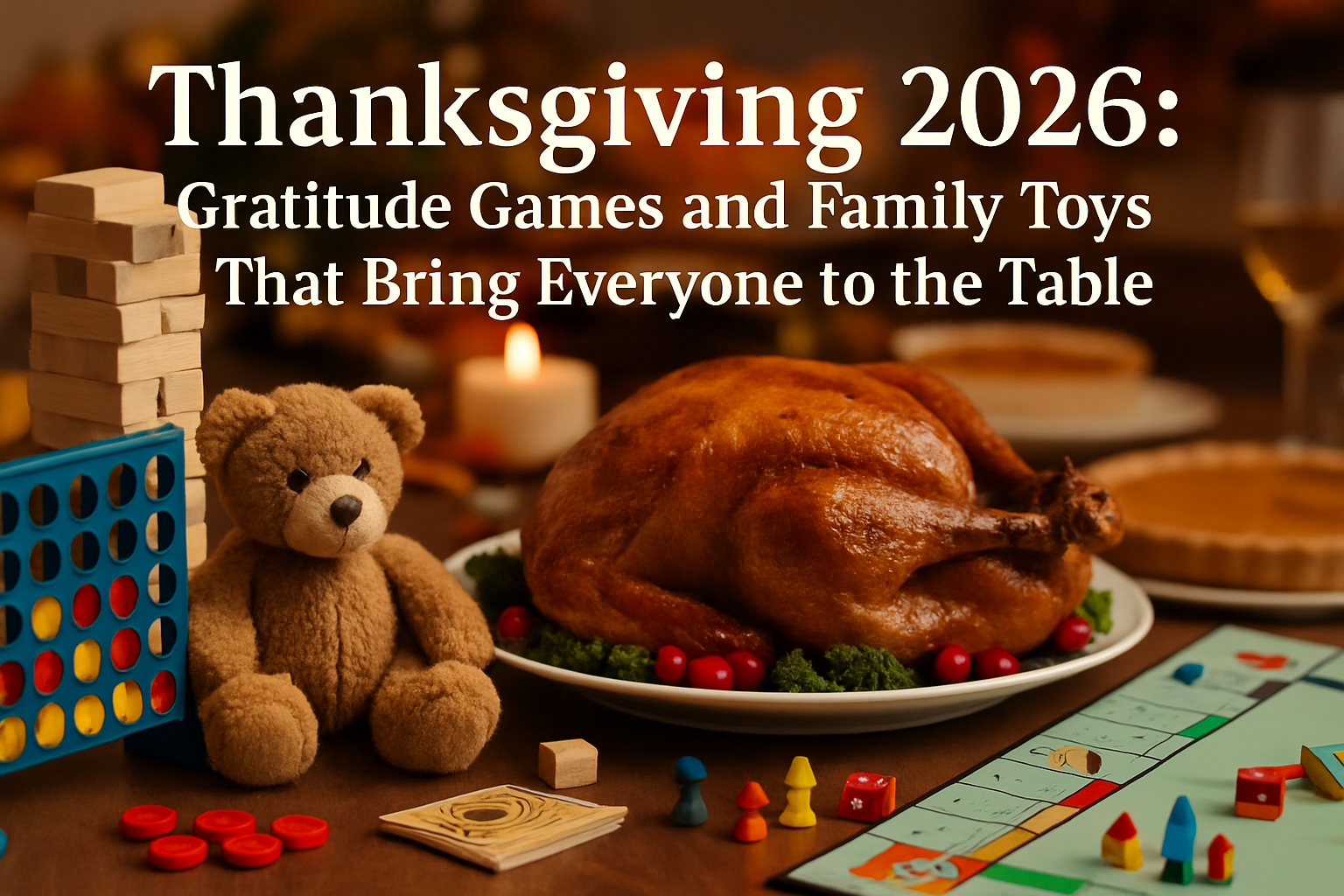

Thanksgiving is more than just a holiday; it is a heartfelt occasion deeply embedded in American culture, embodying themes of gratitude, family, and togetherness. As families gather to share a meal, the core essence of this day transcends beyond the food on the table to embrace the emotional connections that are renewed each year. This emphasis on gratitude reinforces the historical significance of Thanksgiving, which is rooted in the shared celebration of abundance and fellowship. In 2026, as we approach the holiday, there is a growing recognition of the need for familial bonds to strengthen in our increasingly busy lives, making this reflection of thankfulness more impactful than ever.
Family traditions play a pivotal role in Thanksgiving celebrations, helping each generation connect with their roots while building new memories together. Rich family stories are recounted, cherished recipes come to life, and unique customs emerge that define how individual families celebrate. In 2026, there is an increasing trend toward reviving these traditions and enhancing them with modern twists. This blend of old and new ensures that Thanksgiving remains a cherished occasion in the hearts of many, fostering a sense of belonging and continuity that families treasure. Moreover, as people become more aware of the importance of mental well-being and supportive relationships, Thanksgiving traditions are evolving to accommodate both new activities that promote connection and those that celebrate longstanding customs.
In observing trends around Thanksgiving 2026, it becomes evident that the celebration is shifting towards inclusivity, cultural diversity, and community engagement. Families are now more open to incorporating various cultural influences into their festivities, leading to vibrant, eclectic meals that reflect their unique backgrounds. Additionally, many families are looking to give back to the community through volunteer opportunities during the holiday season, further enriching their Thanksgiving experience. Combining traditional elements with contemporary practices cultivates a multi-faceted celebration that is not only enjoyable but also meaningful. Such transformations in Thanksgiving traditions are making this holiday an even more significant occasion for families, forging stronger ties and inviting others to join in the spirit of gratitude.
Thanksgiving dinner is the centerpiece of the holiday, where families gather around the table to share a meal rich in tradition and sumptuous flavors. In 2026, families will likely continue to serve classic dishes such as turkey, stuffing, and cranberry sauce, while also incorporating modern culinary twists. Many families are embracing plant-based options, reflecting dietary preferences and health consciousness. This shift not only opens doors for creativity in the kitchen but also accommodates guests with different dietary needs.
Cultural diversity plays a significant role in shaping Thanksgiving menus. As more families blend traditions from multiple heritages, the meal becomes a celebration of different culinary influences. For example, some may include dishes like tamales, curry, or sushi alongside traditional staples. These variations enrich the Thanksgiving experience, making it a mosaic of flavors where every dish tells a story. In 2026, expect to see more fusion recipes that combine traditional and contemporary elements, reflecting the various backgrounds of family members.
New recipe trends are emerging this Thanksgiving, as many are looking for innovative ways to prepare and present their meals. People are experimenting with flavors and presentations, such as gourmet twists on classic recipes or utilizing local and seasonal ingredients. Social media platforms also inspire families to showcase their Thanksgiving spreads, leading to a vibrant exchange of ideas and recipes. These trends highlight the creativity that families bring to the dining table while retaining a focus on shared experiences that define the holiday.
Thanksgiving is not just about the meal; it's also an opportunity for families to bond through a variety of engaging activities. Many families opt for fun games that bring everyone together, from traditional board games to outdoor sports like football or soccer. Crafts and interactive activities can also be incorporated, allowing children and adults to collaborate and express their creativity. Whether it's making festive decorations or holiday-themed art, these activities foster a sense of togetherness that defines the season.
Incorporating games and events that cater to all ages enhances the Thanksgiving experience. Families often include intergenerational activities, such as storytelling or sharing gratitude reflections, which help bridge the gap between younger and older family members. Outdoor scavenger hunts or trivia games related to Thanksgiving history can add excitement and keep spirits high. The joy of participating in these activities strengthens familial ties and creates lasting memories for everyone involved.
Ultimately, Thanksgiving serves as a reminder of the importance of spending quality time as a family. This special holiday offers the chance to step away from the chaos of everyday life and reconnect with loved ones. As families engage in activities that resonate with them, they find opportunities to create new traditions and nurture relationships. This shared time together reinforces the value of bonding, making Thanksgiving not just a meal, but a heartfelt celebration of family and togetherness.
An integral part of the Thanksgiving tradition is the spirit of giving back to the community. Many families embrace the opportunity to participate in volunteer services during this season, helping those in need through food drives, soup kitchens, and community outreach programs. The act of serving others during Thanksgiving fosters a sense of gratitude and perspective, reminding families of the importance of compassion and generosity.
Community events centered around Thanksgiving often see families coming together to support local causes. This can include organizing or joining in community dinners, charity runs, or events that collect needed supplies for less fortunate families. By involving themselves in these initiatives, families not only help their neighbors but also instill shared values of kindness and empathy in their children. The experience of collectively giving back strengthens community bonds and encourages future acts of service.
The impact of Thanksgiving on community service awareness is significant. In recent years, there has been a growing trend of families understanding the importance of engaging in community service as a way to celebrate the holiday. This awareness fosters a culture of compassion that extends beyond a single day of giving, with many families committing to ongoing service throughout the year. By making service a part of their Thanksgiving tradition, families contribute to a more caring and connected community, ensuring that the spirit of Thanksgiving resonates well beyond the holiday.
Gratitude games are a delightful way to embrace the spirit of thankfulness, especially during Thanksgiving celebrations. These games are designed to encourage participants to reflect on what they are grateful for, creating an atmosphere of appreciation and joy. By engaging in activities that promote gratitude, individuals can deepen their connections with family and friends, making the holiday experience more meaningful.
During Thanksgiving, gratitude takes center stage as families gather to share food, stories, and memories. This holiday is a perfect opportunity to foster connections and express collective appreciation. Gratitude games not only facilitate this process but also help reduce stress and promote emotional well-being. By incorporating playful elements, these activities can transform the act of sharing gratitude into an engaging and memorable experience.
Furthermore, the act of playing gratitude games can create lasting memories. They encourage participants to involve themselves fully, connecting on a more emotional level. When children and adults alike participate in these games, they learn the importance of thankfulness, forming a sense of community and togetherness that can extend beyond the holiday season.
One of the simplest yet profound gratitude games is the Gratitude Jar. This game requires minimal materials—a jar and slips of paper. Each participant writes down something they are grateful for and places it in the jar. At the end of the evening, everyone takes turns reading the notes aloud. This activity not only encourages personal reflection but also allows participants to share their thoughts, fostering a sense of connection. The shared experience of recognizing what each individual is thankful for elevates the mood, turning the game into a source of collective joy.
Thanksgiving Bingo is another engaging option that adds a twist to a classic game. Hosts can create customized bingo cards featuring various symbols, phrases, or ideas related to gratitude and Thanksgiving. As players fill in their cards, they reflect on moments or things they are thankful for that align with the themes on the card. This creative game encourages interaction and promotes discussions about gratitude, making it a fun and educational experience.
The Thankful Scavenger Hunt allows families to explore their surroundings while reflecting on symbols of gratitude. Preparing clues that lead participants to find items representing thankfulness—such as photographs, tokens, or even nature items—adds an adventurous twist. After collecting these items, participants can share stories about their significance, deepening their understanding of gratitude in a fantastic way.
Creating the right environment is essential for a successful gratitude game experience. Start by setting a warm and inviting mood. Utilize seasonal decorations and ensure that the space is comfortable for participants. Soft lighting, cozy seating, and festive decor can help create an atmosphere conducive to open sharing. A well-organized space promotes a sense of comfort and encourages everyone to engage fully in the activities.
Encouraging participation is key to making gratitude games enjoyable for all. It’s important to invite everyone to join in, including those who may be shy or hesitant to share. To combat shyness, consider introducing icebreakers or group activities that warm up the atmosphere. Highlighting fun elements, such as friendly competition or rewards, can make participation more appealing. Use energetic and enthusiastic prompts to create a more upbeat environment, ensuring that everyone feels valued and included.
Incorporating family traditions or personal touches can also enhance the overall experience. By allowing participants to customize their contributions to the games, you foster ownership and investment in the activities. Whether it’s designing their bingo cards or choosing the items for a scavenger hunt, participants will feel more connected to the gratitude being shared, creating a memorable Thanksgiving filled with fun and togetherness.
Thanksgiving is a time when families come together to celebrate not just the meal, but each other’s company. It's a holiday rich in tradition that offers unique opportunities for strengthening familial ties. One of the best ways to enhance this togetherness is through play, which can foster connections, spark laughter, and create lasting memories. Engaging in shared activities helps to break down barriers and allows family members of all ages to bond over common interests, creating a joyful atmosphere filled with warmth and camaraderie.
Shared activities during Thanksgiving can take many forms, but toys and games serve as the perfect medium to facilitate fun. Interactive games, crafts, and outdoor activities are excellent choices that can enhance participation across generations. These activities not only entertain but also encourage communication, cooperation, and a sense of teamwork. When families engage in play, they often discover new facets of each other, deepening their connections and creating a sense of belonging that is at the heart of the Thanksgiving spirit.
Coming together to play is about more than just entertainment; it's about making memories that will last long after the holiday is over. Toys and games that require family members to work together or engage in friendly competition promote laughter and joy, transforming the gathering into a memorable event. Overall, fostering an environment where everyone can join in and enjoy is essential for making the most of these family-centric celebrations.
When it comes to selecting toys for Thanksgiving, several categories stand out as particularly suitable for family engagement. Interactive games are a favorite choice, as they cater to a variety of age groups. These games often promote social interaction, whether through cooperative play or friendly competition, making them ideal for holiday gatherings. Popular options include board games, card games, and trivia games that challenge players while inviting collaboration. The joy elicited from laughter and shared excitement can amplify the festive spirit of Thanksgiving.
Beyond interactive games, creative arts and crafts can serve as a fantastic way for families to bond. Crafting activities allow family members to express their creativity while working alongside each other. Projects can range from simple decorations for the dinner table to personalized gifts for one another. Not only do these activities enhance creativity, but they also provide therapeutic benefits, allowing family members to relax and enjoy the mindful process of crafting. Setting aside time for arts and crafts during Thanksgiving can pave the way for deeper conversations and connections.
Moreover, outdoor toys and games are essential for a well-rounded Thanksgiving celebration, especially if the weather is pleasant. Engaging in outdoor activities like lawn games, frisbees, or a friendly game of touch football can provide physical exercise and encourage a spirit of competition. These activities nurture teamwork and can help alleviate the post-feast lethargy. Spending time outdoors also has significant health benefits, such as increased vitamin D intake and improved mood, which can further enhance the familial atmosphere during the holiday.
When selecting toys for Thanksgiving gatherings, it’s crucial to consider the age appropriateness of the options. Toys that cater to various age groups ensure that everyone can participate, which is key to a harmonious family experience. For younger family members, simple games and colorful craft supplies can capture their attention and creativity, while older generations may enjoy more strategic or intellectually stimulating activities. Providing a blend of choices that accommodate different age brackets ensures that no one feels left out, creating an inclusive play experience for all.
In addition to age considerations, focusing on cooperative and team-based toys can significantly enhance the Thanksgiving experience. When toys encourage teamwork, families can collaborate towards common goals, fostering a sense of unity and support. Games that require players to work together to achieve a shared objective can be particularly enriching and enjoyable. These toys not only promote healthy competition but also help family members learn to coordinate and communicate effectively, reinforcing bonds.
Ultimately, the right family toys can contribute greatly to the excitement and togetherness of Thanksgiving. By prioritizing choices that foster cooperation and engagement, families can build a warm atmosphere filled with joy and laughter. Encouraging playful interactions through these toys ensures that Thanksgiving gatherings are memorable and strengthens familial ties for years to come.
Thanksgiving is a time to come together as a family, celebrating gratitude and joy. Engaging activities during this festive period can enhance the experience, especially for families with children. One exciting approach is to incorporate creative cooking challenges. These can be themed competitions where family members, including kids, are involved in cooking and baking. Imagine crafting a 'Thanksgiving MasterChef' contest, where each family member must prepare a dish that represents their personal spin on traditional recipes. This not only encourages creativity and teamwork but also helps kids learn valuable cooking skills. Sharing family recipes passed down through generations can further deepen the connection to Thanksgiving traditions, reinforcing the spirit of familial bonds.
In addition to culinary adventures, outdoor Thanksgiving games can be a fantastic way to keep the energy levels high. Organizing backyard games or family-friendly sports encourages physical activity, which is important during a time when many of us indulge in hearty meals. Activities like turkey trots, flag football, or even a fun scavenger hunt can enhance family camaraderie and foster a sense of community. These games help everyone burn off some calories while also promoting a healthy lifestyle amidst the festivities. It's also an excellent time for families to get outside and enjoy the autumn weather, making lasting memories while reconnecting with nature.
Crafting and DIY projects present yet another opportunity for family engagement during Thanksgiving. Families can create Thanksgiving-themed crafts that double as decorations, such as hand-painted pumpkins or leaf garlands. Involving children in these activities cultivates their creativity and gives them a sense of accomplishment. Simple DIY decoration projects can also be an excellent way for families to work together and invent unique decorations that carry personal meaning. Moreover, with many families spread across different locations, setting up virtual gatherings becomes essential. Utilizing technology not only allows families to connect remotely but also provides tips for making virtual celebrations engaging and interactive. These connections remind families of the countless ways they can celebrate gratitude, no matter the distance.
Another important aspect of Thanksgiving is fostering a spirit of giving back to the community. Volunteering during this time can be particularly rewarding, offering families a chance to engage in meaningful service projects together. Many local organizations seek help during the holidays, providing various volunteer opportunities that families can participate in as a unit. Whether it's serving meals at a local shelter, organizing food drives, or cleaning up community spaces, these activities reinforce the importance of compassion and gratitude. Families can discuss the benefits of volunteering, helping children understand the impact they can have on their communities and the joy that comes from helping others.
Exploring different cultural traditions surrounding Thanksgiving is another enriching activity for families. This presents an opportunity for families to learn about how various cultures celebrate gratitude and the significance behind their customs. Sharing family stories about past Thanksgivings or unique traditions can create a rich tapestry of experiences for younger generations. Creating new family traditions that incorporate elements from diverse cultures can also deepen family bonds and foster appreciation for diversity. Families may consider trying new recipes that reflect different cultural backgrounds or hosting a multicultural gathering where everyone shares dishes that have a personal significance.
Furthermore, mixing cultural explorations with community involvement can lead to unforgettable experiences. Engaging in projects that connect family traditions with community celebrations allows families to give back while building memories that last a lifetime. This integrative approach not only solidifies family unity but also teaches children the values of empathy and appreciation. By making Thanksgiving a time for both family engagement and community involvement, families set the foundation for meaningful traditions that celebrate gratitude in a way that reaches beyond their homes.
Thanksgiving is more than just a feast; it is a time for families to come together, celebrate, and create lasting memories. Engaging kids during this holiday is essential for fostering family traditions. Involving children in Thanksgiving activities not only strengthens familial bonds but also instills a sense of belonging and togetherness. When children participate in family gatherings, they are more likely to appreciate the significance of these events and continue the traditions into adulthood. This sense of continuity nurtures family history and helps build a strong identity within younger generations.
Another important aspect of engaging children during Thanksgiving is the joy of creativity and learning that arises from various activities. The holidays provide ample opportunities for kids to express themselves through art, music, and even cooking. As they participate in these creative processes, they develop valuable skills such as teamwork and problem-solving. Additionally, these experiences can spark curiosity and a love for learning, as children explore new concepts, materials, and tastes associated with the holiday. The idea of making something with their own hands and taking pride in their creations reinforces a positive self-image and boosts confidence.
Finally, keeping children occupied and entertained is vital for a successful Thanksgiving celebration. Engaging kids through structured activities can prevent the often chaotic environment of family gatherings from becoming overwhelming. By focusing their energy on meaningful tasks—like baking pies or creating decorations—kids not only stay entertained but also contribute to the overall festivities positively. This involvement helps reduce sibling squabbles and boredom while ensuring that everyone can enjoy the day together. By integrating fun and educational activities into Thanksgiving, families can foster a spirit of cooperation and gratitude.
Craft projects are a wonderful way to engage kids during Thanksgiving. Families can dive into various Thanksgiving-themed crafts that allow children to express their creativity while also making decorations for the holiday. One simple idea is turkey handprints, where children paint their hands and press them onto paper to create colorful turkey shapes. This classic craft not only helps develop fine motor skills but also creates a keepsake that families can cherish for years. Additionally, utilizing natural materials, such as leaves or pinecones, can pave the way for eco-friendly crafts, instilling a sense of environmental awareness in kids.
Cooking together is another engaging activity that pairs fun with learning. Involving children in preparing simple Thanksgiving recipes can create memorable experiences in the kitchen. Kids can participate in age-appropriate tasks, from mixing ingredients to decorating desserts. It’s essential to emphasize safety tips while cooking, such as using oven mitts and handling knives responsibly. Beyond just the practicalities of cooking, this time together can present valuable lessons in measurements, nutrition, and meal preparation. When kids feel empowered to contribute to the family meal, it reinforces their role in the celebration, making them feel more connected to the occasion.
In addition to crafts and cooking, organizing Thanksgiving games and activities can keep the spirit of the holiday alive. Outdoor games like sack races or scavenger hunts provide energetic fun suitable for various age groups, enabling families to enjoy the crisp fall air. On the other hand, interactive indoor activities can bring everyone together while reflecting Thanksgiving themes, such as gratitude circles where family members take turns sharing what they are thankful for. Additionally, some games can be designed to teach lessons about sharing and generosity, reinforcing the core values of Thanksgiving while keeping children engaged and entertained throughout the day.
Thanksgiving can be an excellent opportunity for families to personalize their celebrations by creating new traditions. Encouraging families to develop their own rituals can lead to unique and meaningful experiences that go beyond generic holiday customs. Personalizing traditions may include incorporating multi-generational activities that allow grandparents, parents, and children to bond over shared experiences. In these moments, families can document their celebrations through photos or journals, creating a narrative that can be shared and cherished for years to come. This creativity brings a renewed sense of purpose to the holiday, making it distinctively theirs.
Involving kids in planning Thanksgiving gatherings is another way to enhance their engagement and investment in the celebration. Allowing children to contribute their ideas for the menu or activities gives them a voice in the family dynamic. It empowers them and helps them feel respected and valued. Practical examples of kid involvement can include selecting decorations, designing place settings, or deciding on a family game night theme. These tasks not only make the celebration more inclusive but also foster a sense of responsibility in children, empowering them to take ownership of their contributions.
By encouraging families to adapt and evolve their Thanksgiving traditions, the holiday becomes a living tapestry of shared experiences and memories. As kids actively participate in the planning and execution of these celebrations, they learn familial values of cooperation and gratitude. This shift towards inclusivity amplifies the importance of Thanksgiving, transforming it not just into a meal but into a cherished opportunity for the entire family to come together and create new memories that will last well into the future.
Thanksgiving gatherings are a time for family and friends to come together, sharing a meal and enjoying each other's company. One of the most engaging ways to enhance this experience is through games. Thanksgiving table games play a crucial role in encouraging family bonding, keeping guests entertained during long meals, and bringing different generations together. These games provide an opportunity to break the ice, spark conversations, and create lasting memories.
When planning for Thanksgiving festivities, consider incorporating a variety of table games that cater to all age groups. Many games require minimal setup and materials, making them accessible for families who may be juggling other aspects of the holiday. The emphasis should be on fun and participation, as games that engage everyone, from toddlers to grandparents, can create a sense of unity and joy at the table. Whether you prefer traditional games or innovative new ones, there's something for every family gathering, making it a celebration filled with laughter and connection.
Among the classic games, Charades stands out as a favorite for family interaction. This game is simple to set up and can be tailored to fit a Thanksgiving theme. Players take turns acting out words or phrases without speaking, while others guess what they are. The benefits of playing Charades at Thanksgiving include the lively interaction it fosters and the variety it allows in terms of themes, such as Thanksgiving dinner, traditions, or even famous Thanksgiving-related movies. Variations may involve using props or assigning specific words related to fall or harvest seasons, which can enhance the experience.
Another engaging classic game is Thanksgiving Bingo. Creating Bingo cards with Thanksgiving-themed items, such as turkeys, pumpkins, and autumn leaves, can add excitement. Players mark their cards as they spot or hear designated items during the meal, and the first to complete a line shouts 'Bingo!' This game is adaptable for all ages; prizes can be simple but fun, such as small tokens or homemade goodies. Playing Bingo not only adds an element of competition but encourages participants to pay attention to the conversations and activities happening around them.
Transitioning to interactive games, families can find tremendous joy in Two Truths and a Lie. This game invites players to share three statements about themselves, with one being false. The challenge for others is to discern which one is untrue. This game is especially beneficial for getting to know relatives, particularly those you may not see often. Encouragement to include Thanksgiving-related truths can lead to amusing revelations and stories from family members, fostering a deeper connection and laughter as guests share their unique holiday experiences.
Beyond the classics, interactive group games add energy and fun to Thanksgiving gatherings. For example, Pictionary with a Thanksgiving twist allows players to draw and guess holiday-themed words or phrases. This game encourages creativity and teamwork as players race against the clock to interpret each other’s drawings. Suggestions for prompts could revolve around Thanksgiving symbols, food items, or popular holiday traditions. To keep the game engaging, you can modify the time limits or organize teams to inspire friendly competition among family members.
To cater to younger guests, consider a Thanksgiving Scavenger Hunt. Set up designated areas where children can search for various Thanksgiving-themed items, such as decorative leaves, small pumpkins, or turkey images hidden around the home or yard. Establishing clear rules and boundaries ensures that children enjoy the hunt without straying too far. The excitement of searching and finding items can keep young children entertained, contributing to a lively atmosphere during the holiday.
Another enjoyable game for children is Turkey Tag, where young kids engage in a game of tag with a Thanksgiving twist. One child is designated as the 'turkey,' while the others must avoid being tagged. This game is beneficial for young children as it promotes physical activity in a fun and imaginative way. Variations might include incorporating movements reminiscent of turkeys, such as flapping arms, to add to the silliness and enjoyment. Engaging in such games allows children to burn off energy while fostering interaction with their peers and family members, reinforcing community.
When organizing Thanksgiving games, it's essential to consider the range of ages among participants. Adjusting the rules for younger or older players can help ensure that everyone feels included and engaged. For example, simplifying rules for younger children allows them to participate without feeling overwhelmed, while older family members can take on more complex roles or challenges. Encouraging teamwork through mixed-age teams can also create a nurturing environment that promotes bonding among family members.
Safety is another critical component when selecting games for all ages. Choosing non-competitive and low-impact games can reduce tensions while ensuring that everyone enjoys themselves. It’s important to emphasize fun over competition, as a relaxed atmosphere fosters participation among those who may feel shy or reluctant to join in. Moreover, ensuring physical activities are safe—like setting boundaries for running games—can help to prevent accidents and allow everyone to partake comfortably.
As families embrace the spirit of Thanksgiving, integrating a variety of games suited for all ages can transform the gathering into a memorable celebration. By recognizing the importance of participation and inclusivity, Thanksgiving table games can bridge generational gaps while creating an environment centered on joy, laughter, and togetherness. Whether traditional or modern, the right games can make the holiday truly unforgettable for all who partake.
Thanksgiving is a time to pause and reflect on the blessings of the past year, fostering a spirit of gratitude among family members. However, the traditional practices of sharing what we are thankful for can sometimes feel repetitive. Introducing DIY gratitude games into your holiday festivities injects fun and creativity, making the experience memorable and engaging. These games not only serve as an icebreaker but also deepen connections as everyone takes part in expressing their appreciation in unique ways.
Incorporating these games during Thanksgiving can transform the holiday into a more interactive experience. By bringing light-hearted competition and artistry into the celebration, families can create lasting memories together. These activities encourage individuals to reflect deeply on gratitude while having fun, ensuring that the spirit of the holiday resonates throughout the day. Such interactive elements keep everyone engaged, from young children to the elderly, fostering a unified family atmosphere.
Ultimately, the essence of Thanksgiving is about sharing and connection, and DIY gratitude games enhance this theme by providing meaningful interactions. As families gather around the table, the laughter, creativity, and heartfelt moments brought by these games become the foundation for cherished holiday traditions.
One of the most cherished DIY gratitude games is the Gratitude Jar. This simple yet impactful activity requires just some jars, pieces of paper, and pens. Each family member can jot down what they are thankful for on slips of paper and place them into the jar. Over the course of the dinner, participants can take turns reading the notes aloud. To enhance this experience, you might consider adding themed prompts that guide everyone's thoughts toward specific areas of gratitude, such as family, friendships, or experiences from the year.
Another enjoyable game is the Thankful Tree, which can be made using branches collected from the yard or crafted from craft materials, depending on what you have available. Family members can create colorful leaves from paper, each inscribed with something they are thankful for. Hanging these leaves on the branches transforms the tree into a beautiful reminder of gratitude, serving both as a decorative centerpiece and an inspiring activity. Encouraging children to add their unique artistic flair can enhance this experience, fostering a sense of pride and ownership.
Gratitude Bingo is a playful twist on a classic game, perfect for engaging everyone. To prepare, create bingo cards filled with gratitude prompts instead of numbers. These prompts might range from 'a family member who inspires you' to 'a special memory from this year.' As players mark their cards when prompted during family sharing, the excitement to complete bingo arises, making the experience fun and interactive. Establishing simple rules for gameplay—like sharing a brief story related to each prompt—ensures that everyone participates fully while injecting humor and warmth into the gathering.
Personalizing your gratitude games can elevate the experience and make it even more special for your family. Adding personal touches such as customizing gratitude notes can help each participant feel more connected to the activity. For instance, consider designing notes that reflect family traditions or inside jokes, enhancing the emotional resonance of gratitude. Encouraging each family member to use their unique handwriting or doodles on their notes can create a more intimate and personal touch which can be cherished throughout the years.
Technology also offers innovative ways to personalize gratitude games. There are various apps and platforms designed to foster gratitude and mindfulness, which can complement your DIY games. Using these digital tools allows you to create virtual spaces for family members who may not be physically present to join in the fun. Envision a digital version of your Gratitude Jar, where distant family members contribute their messages in real-time, or a virtual Bingo game for those unable to attend in person. This inclusion sends a powerful message about togetherness and appreciation, reinforcing familial bonds even from afar.
Furthermore, blending traditional crafting techniques with tech-savvy solutions means you can document your family's gratitude journey through photographs or videos, creating digital scrapbooks that serve as reminders of the love and appreciation shared during the holiday. As you personalize these games, you not only tailor the experience to your family's unique culture but also foster an environment where gratitude thrives, encouraging everyone to practice appreciation not only during Thanksgiving but throughout the entire year.
Thanksgiving stands as a cherished celebration in American culture, with roots tracing back to early colonial times. The historical significance of Thanksgiving originates from a harvest feast shared between the Pilgrims and Native Americans in 1621. This event symbolizes gratitude and the alliance formed between different communities, highlighting the values of harmony and cooperation. To many, Thanksgiving is not merely a meal but a moment to appreciate family, friends, and a sense of belonging. Over generations, this profound appreciation for gratitude and family has remained a cornerstone of the holiday.
As society evolves, so do Thanksgiving celebrations. Modern Thanksgiving has embraced a shift towards inclusivity and diversity, reflecting contemporary cultural influences. Families today may incorporate a variety of culinary traditions, showcasing dishes that honor their heritage. Common themes, such as gratitude and togetherness, have persevered, but the celebratory aspects have broadened. Many families opt for unique decorations, games, and storytelling that bridge generational gaps, enriching the tradition. These shifts provide a fresh take on a classic celebration while still cherishing its historical essence.
Understanding these traditions equips hosts with a foundation to create a memorable Thanksgiving. When planning, consider your family’s historical background and modern influences to personalize the celebration. This knowledge encourages a deeper appreciation for the customs involved, enabling a gathering that resonates with all in attendance. Reflecting on these traditions during Thanksgiving 2026 can foster a fulfilling and inclusive atmosphere.
Effective planning is integral to hosting a successful Thanksgiving. The first step is setting a budget, which establishes financial boundaries for food, decorations, and entertainment. It is essential to understand the overall costs associated with the event, from groceries to potential venue rental fees. Allocating funds for each category helps manage spending, and budgeting tips can safeguard against overspending, ensuring a stress-free planning experience. This approach allows hosts to enjoy the season without financial burdens overshadowing the festivities.
Next, creating a guest list is a crucial task. Determining how many people to invite involves considering the space available and the types of interactions desired. It is also wise to factor in dietary restrictions when planning the menu, as accommodating various needs can lead to a more enjoyable experience for all guests. Effective communication is essential throughout this process; reaching out to potential invitees early allows ample time for responses and adjustments to the guest count, if necessary.
Choosing a venue is another key planning step. Deciding between hosting at home or renting a space requires thoughtful consideration of factors such as convenience, size, and accessibility. A home setting may foster intimacy and warmth, while a rented venue can offer a change of scenery and convenience, particularly for larger gatherings. Accessibility considerations for guests of all ages and abilities should also inform the venue choice, ensuring a welcoming environment for everyone.
One of the hallmarks of Thanksgiving is the food. Crafting a menu that reflects traditional Thanksgiving dishes is essential for capturing the spirit of the holiday. Popular recipes often revolve around a centerpiece turkey, complemented by side dishes like stuffing, cranberry sauce, and green bean casserole. Cooking tips may include brining the turkey for enhanced flavor or preparing certain dishes in advance to reduce stress on the big day. Planning the menu thoughtfully ensures familiarity and satisfaction for guests while providing an opportunity to introduce new dishes that resonate with diverse tastes.
Beverage pairings are equally significant. Choosing wines and cocktails that complement the meal can elevate the dining experience. Hosts should consider offering non-alcoholic options, reflecting the diverse preferences of guests. A well-planned drinks station can serve as a social hub, inviting guests to mingle and interact while preparing their beverages. Thoughtful presentation, such as incorporating seasonal elements into the drinks area, can further enhance the atmosphere.
Overall, food and drink planning is an art that can set the tone for your Thanksgiving gathering. By focusing on a balanced menu that respects tradition while catering to modern tastes, hosts can create a memorable culinary experience. Ensuring all elements work together harmoniously is vital to crafting a successful Thanksgiving 2026 celebration.
Creating a festive environment is key to enhancing the Thanksgiving experience. Consider theme ideas that resonate with your family’s traditions or embrace seasonal elements. Decor can range from elegant table settings to playful autumn motifs. Seasonal elements, like pumpkins, autumn leaves, and warm colors, can set a vivid backdrop for the gathering. Thoughtful table settings, including place cards and centerpieces, add a personal touch and can spark meaningful conversations among guests.
Lighting and ambiance play a significant role in setting the mood. Using candles can provide a warm glow, enhancing the cozy atmosphere. Additionally, curating a music playlist that includes both traditional and contemporary tracks can create a festive soundtrack for the gathering. The right music can lighten the mood and help guests feel at home, fostering an enjoyable experience throughout the celebration.
Finally, considering the setup time is essential in preparing for Thanksgiving 2026. Allow plenty of time for decorating and arranging the space, which helps ensure everything aligns with the planned theme. It’s often beneficial to delegate tasks among family members, making the preparation a shared experience that everyone contributes to. This supportive environment amplifies the spirit of Thanksgiving, making it a true celebration of togetherness and joy.
The Thanksgiving table is undergoing a significant transformation as culinary preferences evolve. In 2026, there is a notable rise in plant-based alternatives, driven by increased awareness of health and environmental impacts. Many families are opting for dishes that incorporate rich plant-based proteins and vegetables. Traditional turkey is being complemented or even replaced by options like lentil loafs and mushroom roasts, reflecting a growing appreciation for diverse dietary choices and sustainability.
Incorporating global flavors into Thanksgiving celebrations also marks a significant trend. Cuisines from around the world are finding their way onto the holiday table, as families experiment with spices and cooking techniques from different cultures. Dishes inspired by Mediterranean or Asian traditions are becoming staples, thus creating a fusion of tastes that appeal to a broad spectrum of palates. This shift not only enhances meal variety but also encourages families to explore new culinary horizons, making Thanksgiving a truly global affair.
Statistics on the popularity of these trends indicate that over 40% of consumers plan to include plant-based options in their Thanksgiving feasts. This change reflects a broader societal movement toward health-conscious eating, which places importance on fresh, organic ingredients. Additionally, the acceptance of global cuisines showcases an eagerness to share and celebrate cultural diversity, making 2026’s Thanksgiving not just a meal but a multi-faceted culinary experience.
In recent years, consumer behavior surrounding Thanksgiving has shifted dramatically, particularly in terms of shopping habits. With the rise of online shopping, many consumers now prefer to make their holiday purchases from the comfort of their homes. This trend is especially pronounced during the holiday season when convenience often takes precedence. It’s expected that e-commerce will continue to grow as families seek to avoid the chaos of in-person shopping, thus turning to efficient online platforms.
Social media also plays a crucial role in influencing consumer behavior heading into Thanksgiving. Platforms are flooded with creative recipes, decorating ideas, and cooking tips shared by influencers and everyday users alike. As a result, many individuals look to these platforms for inspiration on their holiday meals. Recipes that are vibrant and visually appealing gain traction quickly, inspiring countless shares and adaptations for traditional dishes. This visual culture contributes significantly to how meals are planned and executed during the holiday.
Furthermore, shopping patterns indicate that preparations for Thanksgiving are starting earlier each year, with many consumers budgeting their spending over several months. This thoughtful approach allows families to enjoy the holiday without the stress of last-minute purchases. The combination of online convenience and social media-driven inspiration is poised to redefine how Thanksgiving is not only planned but also celebrated in 2026.
Thanksgiving decor is also experiencing innovative changes as host preferences evolve. Home decor has started to incorporate sustainable materials and eco-friendly designs, favoring natural elements over synthetic ones. Many families are opting for minimalistic, warm designs that create an inviting atmosphere while reflecting an appreciation for simplicity. This trend places emphasis on handmade or locally sourced decorations that celebrate craftsmanship, contributing to a unique and personal touch.
The shift toward smaller gatherings has also become evident, with more families choosing to celebrate with close friends or immediate family members rather than larger groups. In the wake of recent global events, such intimate gatherings promote safety and comfort. This trend encourages hosts to focus on creating meaningful experiences, utilizing personal touches in both food and decor that foster deeper connections among guests. Consequently, many families are crafting unique themes that resonate with their values and traditions.
Finally, the concept of virtual Thanksgiving celebrations has gained traction. With advancements in technology, families are embracing digital platforms to connect with loved ones who may not be able to attend in person. This trend allows for inclusivity, bringing together family members from different locations through shared meals enjoyed over video calls. The blending of traditional and modern approaches to celebration in 2026 highlights an adaptability that is both innovative and respectful of existing customs.
As Thanksgiving approaches in 2026, there is an increased emphasis on giving back to the community. Many families are actively seeking ways to incorporate charitable activities into their holiday traditions. Volunteer opportunities, such as food drives and community service events, have become essential components of the Thanksgiving experience. This shift reflects a growing recognition of the importance of gratitude and generosity, encouraging individuals to contribute positively to their communities while celebrating the holiday.
Local events and initiatives are gaining popularity as families choose to support their neighborhoods over large national campaigns. This trend fosters a sense of community and connection, encouraging families to participate in local charity events. Such involvement not only strengthens community bonds but also provides an opportunity for families to instill values of empathy and kindness in their children. People are increasingly aware of the impact that local efforts can have, leading to a supportive and more interconnected community.
The comparison between local versus national charity events reveals differing motivations and impacts. While national organizations may address larger scale issues, local initiatives often resonate more profoundly with families searching for ways to connect personally with their community. This localized approach to giving and celebration is transforming the meaning of Thanksgiving, making it a time for reflection, gratitude, and collective action in support of shared values and goals.
Gratitude is a complex emotional response, characterized by an acknowledgment of the kindness of others. Psychologically, it encompasses feelings of thankfulness and appreciation that extend beyond mere acknowledgment to a deeper understanding of one's interconnections. In family contexts, gratitude manifests in diverse forms, from small, everyday expressions of thanks to profound acknowledgments of sacrifices made by family members. This profound emotional recognition strengthens familial bonds and builds resilience against conflicts and challenges that arise within familial structures.
In family settings, gratitude can be categorized into two main types: conditional and unconditional gratitude. Conditional gratitude often arises in response to specific acts of kindness, such as a family member helping with chores or supporting one during stressful times. On the other hand, unconditional gratitude stems from a general appreciation for family, recognizing their intrinsic value in one's life regardless of specific actions. Both types play an essential role in shaping family dynamics and influencing the emotional atmosphere within the home.
Moreover, the psychological aspects of gratitude extend beyond interpersonal relationships. Gratitude has been linked to increased life satisfaction and overall well-being. Families that cultivate an environment of gratitude tend to experience enhanced emotional connection, reduced tension, and a greater capacity for empathy among members. As such, understanding gratitude as a psychological construct provides a foundation for exploring its transformative effects within family relationships.
The cultivation of gratitude significantly enhances family relationships by fostering deeper connections and a more supportive environment. When family members express gratitude towards one another, they reinforce positive behaviors and create a climate of appreciation. This, in turn, encourages individuals to engage in altruistic behaviors, knowing their efforts are valued. Such exchanges lead to a cycle of positive reinforcement, strengthening family ties and making it easier to navigate conflicts and disagreements.
Emotional benefits abound when gratitude permeates family dynamics. Families that regularly express appreciation are more likely to enjoy enhanced emotional health, as gratitude fosters emotional resilience and reduces feelings of resentment or jealousy. This emotional buoyancy enables families to support one another more effectively, contributing to a more harmonious household overall. Additionally, gratitude has been shown to improve communication within families, as an environment of thankfulness encourages openness and honesty.
Furthermore, gratitude acts as a buffer against the inevitable challenges that arise in familial relationships. By focusing on what one appreciates in each other, families can mitigate negative emotions and move past conflicts more efficiently. This practice not only enhances individual relationships but also fortifies the family unit as a whole, allowing members to face challenges together with a unified front.
Implementing daily gratitude exercises can significantly enhance family relationships and establish a culture of appreciation within the home. Simple practices, such as sharing what each family member is grateful for during dinner, can open lines of communication and encourage reflection on positive experiences. Families can also create gratitude journals where members regularly write down things they appreciate about each other, fostering a tangible representation of affection and thankfulness.
However, practicing gratitude is not without its challenges. Some family members may find it difficult to express gratitude, either due to cultural conditioning or personal inhibitions. Overcoming these barriers requires a commitment to cultivating an atmosphere of openness and understanding. Encouraging family members to express feelings without judgment can help lift the emotional weight that sometimes prevents gratitude from being expressed openly.
To overcome challenges, families can also establish rituals aimed at reinforcing gratitude. For example, creating a 'gratitude jar' where family members drop notes of appreciation can serve as a delightful reminder of shared values and moments of kindness. Such practices not only nurture gratitude but also create lasting memories that strengthen family bonds over time. By intentionally integrating gratitude into daily routines, families enhance their relational dynamics and build a supportive environment where all members feel valued.
Thanksgiving is more than just a day of feasting; it’s a unique opportunity to cultivate an attitude of gratitude that can resonate throughout the year. This holiday provides space for reflection on the blessings in life, encouraging individuals and families alike to express their appreciation for one another. By fostering this spirit of gratitude during the holidays, we not only enrich our Thanksgiving experience but also set the stage for a more positive mindset that can influence our daily lives. Whether it’s a simple thank-you shared at the dinner table or more profound acts of kindness throughout the year, embracing gratitude encourages a deeper connection with loved ones.
Cherishing family moments is at the heart of Thanksgiving celebrations. Each gathering brings its own set of memories that can be woven into the fabric of family traditions. These moments, from sharing laughter over a perfectly cooked turkey to recounting cherished family stories, help to strengthen bonds across generations. Families often find joy in creating new traditions, whether through specific recipes passed down through the years or unique activities that align with their values. The act of making memories together is invaluable, serving as a cornerstone to building a life rich in love and understanding.
Moreover, Thanksgiving celebrations continually evolve, reflecting broader societal changes and personal circumstances. The ways in which families choose to celebrate can vary greatly, influenced by cultural backgrounds, local traditions, and even the dynamics of family gatherings. While some may opt for grandiose celebrations with extended families, others might prefer intimate dinners with close loved ones, or even volunteering to serve their community. This diversity in practice underscores how Thanksgiving remains relevant in its capacity to adapt and resonate with different individuals and families. As we look ahead to future Thanksgivings, embracing these evolving practices can lead to even richer experiences and deeper connections.



Understanding Thanksgiving 2026Thanksgiving is more than just a holiday; it i...


Understanding Thanksgiving 2026Thanksgiving is more than just a holiday; it i...