
What Are the Top Toys 4-Year-Olds Love Most?
Introduction The realm of children's play is vibrant and filled with endless...

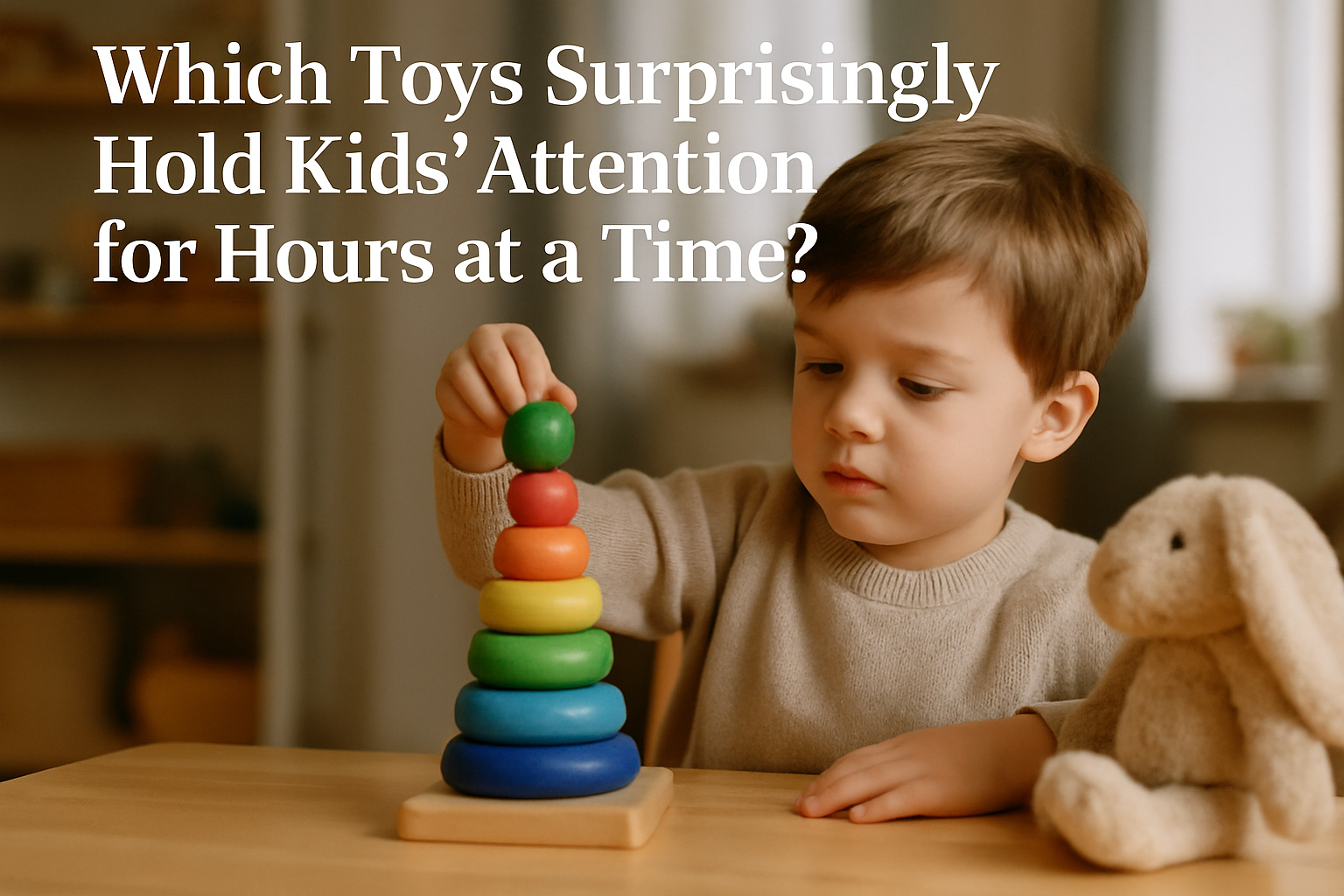

The realm of children's play is vibrant and filled with endless possibilities that enable young minds to explore, create, and learn. Engaging toys are not just mere instruments of fun; they play a pivotal role in transforming playtime into enriching experiences. These toys capture children's imaginations and hold their attention for extended periods, allowing them to delve deeper into their creative processes and developmental skills. The importance of such toys cannot be overstated, as they are integral to cultivating various essential life skills.
First, engaging toys support cognitive, social, and emotional development. As children interact with their toys, they engage in problem-solving and decision-making that enhances their critical thinking abilities. For instance, toys that encourage building or manipulation promote spatial awareness and cognitive flexibility. Similarly, social skills are often developed through cooperative play with dolls, action figures, or even building sets, as children create stories and scenarios that require collaboration and communication with peers.
Moreover, these toys promote self-regulation by encouraging children to navigate various situations and learn to manage their emotions. When kids engage in play that requires turn-taking or following rules, they learn patience and perseverance—skills that are vital for interactions beyond playtime. Engaging toys foster curiosity and provide avenues for exploration, allowing children to venture into new realms and expand their understanding of the world around them. By stimulating their imaginations and encouraging experimentation, these toys cultivate an environment where learning is intrinsically linked to fun.
The benefits of engaging toys extend far beyond mere entertainment. They serve as tools that support children in navigating both their inner worlds and the external realities they encounter. Therefore, recognizing and incorporating engaging toys into playtime can profoundly impact children's growth and development, ensuring that their play experiences are both enjoyable and enriching.
Blocks are a timeless staple in children's play that continue to captivate young minds. Their simple design yet endless creative potential allows for a variety of constructions, making them appealing across different age groups. Children can build anything from towers to houses, sparking their imagination while developing crucial spatial awareness. As they stack, balance, and design, they inadvertently engage in early math activities, such as counting and basic operations. This not only makes the play educational but also lays a foundation for problem-solving skills as children learn the consequences of their choices when building.
The tactile experience of handling blocks also plays a significant role in developing fine motor skills. Children can practice gripping, placing, and maneuvering pieces, which enhances their dexterity. Moreover, block play encourages collaboration when children interact with peers, learning to share ideas and work together toward a common goal. This interaction fosters social skills, helping children navigate relationships and understand different perspectives.
The versatility of blocks means they can be incorporated into various play scenarios. Whether used alongside figurines in imaginative settings or as part of a game where special structures need completion, blocks adapt well. Their durability ensures long-lasting use, making them a favorite in many households. With each rebuild, children refine their creations, reflecting on their progress and indulging in the simple joys of creation.
Art supplies hold a special place in fostering creativity among children. With materials like crayons, markers, paints, and paper at their disposal, kids can spend hours creating masterpieces that reflect their thoughts and feelings. This open-ended form of play invites children to explore their imaginative abilities freely. Not only does it lead to the development of artistic skills, but it also builds confidence as they experiment with colors and techniques, leading to self-expression.
Furthermore, engaging in art encourages children to communicate their ideas without needing words. This exploration of visual expression can be particularly beneficial for those who may feel shy or struggle to articulate their thoughts. The sense of accomplishment when finishing a piece can boost self-esteem, urging them to take on new challenges in both art and life. As they present their artwork to friends and family, children also practice their storytelling abilities, sharing the inspiration behind each piece.
The sensory aspect of working with different art materials further enhances engagement. The textures of various papers, the smell of paints, and the vivid colors encourage children to delve deeper into their creativity. These materials not only serve as tools for artistic expression but also stimulate the senses, making the act of creating an enriching experience. Ultimately, art supplies play a vital role in a child's development by merging learning with fun, allowing endless exploration.
Play-Doh is a favorite among children for a reason—it combines creativity with hands-on exploration. As children mold, shape, and manipulate this versatile material, they are not only indulging in imaginative play but also developing fine motor skills essential for everyday tasks. The simple act of squeezing, rolling, and flattening teaches children about texture and form, allowing them to experiment freely with their ideas.
What sets Play-Doh apart is its ability to inspire limitless creativity. Children can create anything from food items to fantastical creatures, letting their imaginations run wild. The incorporation of tools, such as molds and shape cutters, can enhance the experience, introducing them to concepts of design and function. The tactile nature of Play-Doh also encourages sensory exploration, with the squishy, colorful masses providing both visual and tactile stimulation.
Moreover, Play-Doh can facilitate social interaction and cooperative play. Whether forming a restaurant scenario with friends or engaging in collaborative projects, children learn to share ideas and work together toward a common objective. In this way, Play-Doh becomes more than just a toy; it transforms into a medium through which children can express emotions, negotiate roles, and understand shared experiences, enriching their social and emotional development.
Open-ended play is an essential component of childhood development, fostering creativity and critical thinking through unrestricted exploration. Toys that allow for varied use can significantly contribute to this process. For instance, magnetic tiles and blocks not only stimulate creativity but also enhance spatial awareness and the understanding of shapes. As children manipulate these pieces, they can create countless structures and designs, engaging their imagination while also learning about balance and symmetry. This type of play encourages them to think divergently, developing problem-solving skills as they experiment with different configurations.
Plain wood blocks serve as another excellent tool for imaginative play. Their simplicity allows children to explore fundamental concepts such as size and weight manipulation. When children stack, balance, or build with these blocks, they not only engage in creative expression but also develop fine motor skills and hand-eye coordination. The tactile experience of handling wooden blocks invites exploration, and children often come up with imaginative scenarios and stories as they play. Each arrangement of blocks can represent something new, reinforcing their ability to create narratives in their play.
Encouraging children to interact with these open-ended toys provides them with opportunities to engage in self-directed learning. As they invent their play scenarios, they learn to share ideas and collaborate with others, strengthening their social skills. The freedom these toys provide allows for personal expression, essential for building self-confidence as young creators. By nurturing creativity through play, children are better prepared to approach challenges with an inventive mindset.
In addition to traditional toys, non-toy items can also significantly enhance children's creative play. Everyday objects can serve as powerful tools for imaginative exploration, encouraging children to see the world from unique perspectives. For example, colored pebbles can transform into a vibrant medium for creative expression. When children use these stones, they can experiment with sorting, grouping, and creating patterns, enriching their tactile experiences. This type of play not only ignites their imagination but also enhances their understanding of colors and textures.
Another non-toy option that invites creativity is a spice rack. By incorporating common kitchen items into play, children can engage in sorting and fitting activities that stimulate problem-solving skills. These activities foster creativity as children think about how to arrange and utilize the various containers creatively. A spice rack can serve as a pretend marketplace or a mini laboratory, where children can concoct imaginary recipes. This role-playing element encourages narrative building, making the experience rich in imagination and collaboration with peers.
Utilizing non-toy items for play allows children to redefine the boundaries of their creativity. It challenges them to see potential in things they encounter daily. Emphasizing non-toy items encourages resourcefulness, teaching children that creativity can be found everywhere. By blending these objects into playtime, caregivers can cultivate an environment that promotes imaginative exploration, fostering a spirit of invention that can last a lifetime.
Insights from parents reveal significant trends regarding the effectiveness of various toys in promoting engagement among children. Many parents recommend busy boards as particularly impactful tools for fostering interactive play. These toys are designed to stimulate multiple senses, providing a rich, hands-on experience. For instance, busy boards often feature buttons, laces, knobs, and texture panels that invite children to explore through touch and manipulation. Such tactile engagement is essential for developing fine motor skills, as children learn to grasp, pull, and twist components. These interactions not only enhance physical coordination but also encourage cognitive development as children problem-solve during play.
Moreover, parental insights emphasize the value of hands-on engagement toys. Parents observe that toys requiring active participation keep children more focused and invested in playtime. These kinds of toys often encourage imaginative play, allowing children to enact scenarios that mirror real life, thereby enhancing their creative thinking and social skills. When children manipulate objects or engage in role-playing scenarios, they develop storytelling abilities and understand different perspectives. This kind of play is especially beneficial during early childhood, as it lays the foundation for complex social interactions and communications skills later in life.
Furthermore, parents note that engaging toys also promote prolonged periods of play compared to passive toys, such as screens or simple figurines. When children are presented with engaging, hands-on toys, they tend to spend more time focused and less time bouncing between different activities. This extended engagement not only allows for deeper exploration and learning but also fosters a sense of achievement when children accomplish tasks or master skills using these toys. As a result, parents are increasingly inclined to select toys that promote active engagement, recognizing that these choices significantly contribute to their children’s development and enjoyment.
Research Insights
When it comes to enhancing children's attention spans, the engagement level of toys plays a significant role. Toys that demand active participation encourage children to focus and immerse themselves in the task at hand. These types of toys often require children to use their imagination and problem-solving skills, which directly contributes to the length of time they can concentrate. Unlike passive toys that simply entertain, engaging toys promote active learning, fostering longer attention spans through direct involvement.
Moreover, the environment in which children play can greatly impact their ability to focus. Studies suggest that settings with fewer distractions—such as fewer toys—can lead to deeper engagement in activities. In cluttered environments, children may find it challenging to focus on a single task, as their attention gets divided among various stimuli. Creating spaces that are intentionally designed with minimal distractions allows children to engage more thoroughly with their chosen activities, thus extending their attention span. By simplifying their surroundings, we can encourage greater concentration since children's minds are not overwhelmed by excess noise, movement, or visual clutter.
In addition to environments and the nature of toys, the way children interact with their surroundings is equally vital. When children are given the freedom to explore and manipulate their environment, they are more likely to sustain their focus for longer periods. Active exploration leads to increased curiosity and enthusiasm, which are critical components for developing attention span. Allowing children the opportunity to engage fully with toys that spark their interest—in settings that promote concentration—can greatly enhance their cognitive development as well. Through focused play, children learn to navigate complex tasks, reinforcing their attention capabilities over time.
Children's engagement with toys is evolving, reflecting broader societal changes and emerging educational priorities. One of the most significant trends is the increasing popularity of STEM (science, technology, engineering, and mathematics) learning toys. These toys inspire imaginative play while fostering essential skills in building and creating. Parents and educators recognize that children can gain a deeper understanding of complex concepts through hands-on experiences. This shift is essential as it incorporates learning into play, allowing children not only to enjoy their time but to develop critical thinking and problem-solving abilities early on.
Moreover, the focus on STEM toys aligns with a growing awareness of the importance of nurturing children's curiosity and creativity. As more families prioritize educational outcomes in playtime, there has been a surge in the market for toys that encourage experimentation and exploration. Many of these toys are designed to be versatile, enabling children to engage with them in multiple ways. This versatility enhances a child’s learning experience, as they can engage in different types of play that cater to various interests and skills. The trend here is clear: parents are investing in toys that marry fun with education, creating lasting value for their children’s development.
In contrast, another significant trend is the increasing demand for tech-free, sensory-rich toys. In a world where screen time is ubiquitous, many parents are actively seeking alternatives that provide tactile experiences and promote imaginative play. These toys emphasize sensory engagement, allowing children to explore textures, sounds, and even scents. By limiting exposure to screens, caregivers aim to create a more balanced play environment that encourages physical activity and social interaction. Additionally, sensory-rich toys can help children develop cognitive, emotional, and social skills in a hands-on manner, paving the way for holistic development.
As these trends shape the toy market, it is clear that the landscape of children's play is undergoing a significant transformation. There is a deliberate move towards toys that promote educational value while facilitating play that strengthens interpersonal connections and imaginative exploration. This combination of engaging activities and learning opportunities is reshaping how children relate to their toys and each other in this dynamic environment.
Play is a fundamental aspect of childhood, and its psychological implications extend well beyond mere entertainment. Engaging with toys provides children with essential opportunities to navigate their emotions and develop resilience. When children play, they often recreate scenarios from their everyday lives, allowing them to express feelings they might not fully understand. For instance, a child who has experienced a significant change, such as moving to a new house, may use toys to act out their feelings of anxiety, excitement, or sadness. This process not only helps them make sense of their emotions but also offers a safe space to explore and manage these feelings, which is a crucial component of emotional growth.
Additionally, the act of engaging in play fosters vital cognitive development. Through imaginative play, children learn to formulate ideas, solve problems, and think critically. Toys that encourage building or creating can stimulate cognitive skills by introducing basic concepts of physics and engineering without the child even realizing it. The exploration inherent in play allows for trial and error, which is instrumental in developing a child's intellectual capabilities. This exploration is not simply about creating physical structures but also encompasses developing narratives and social situations that can enhance a child's understanding of their environment.
Role-playing toys are especially significant in their contribution to emotional intelligence and social skills. When children engage in role-play, they experiment with different social roles and scenarios, providing them a platform to practice empathy and cooperation. For example, when children take on different characters, they learn how to express feelings verbally and non-verbally, understand perspectives, and respond to various social cues. This type of play is not only entertaining but is critical for enhancing children's social interactions, preparing them for real-world relationships. By fostering such play, caregivers can support children's journeys toward becoming emotionally intelligent individuals capable of forming healthy connections with others. Through these engagements with toys, children are equipped with the skills necessary to navigate the complexities of social interactions while remaining resilient.
In reviewing the wide array of toys that can hold children's attention for extended periods, it's evident that certain characteristics make them more engaging. Toys that spark imagination, encourage role-playing, or allow for open-ended play often provide lasting interest. Items that blend education with fun keep children absorbed while promoting cognitive development. Furthermore, toys that can be manipulated or transformed—like building sets or art supplies—offer a unique dynamic that encourages creativity and innovation. This interplay between fun and learning not only entertains but also nurtures critical thinking skills in young minds.
Parents play a pivotal role in the selection of toys that resonate with their children’s interests and developmental needs. Choosing versatile toys is essential as they allow for exploration and experimentation. For instance, toys that can be used in multiple ways or adapted for different games can captivate children's interest far longer than single-use items. Engaging in these types of play promotes both independence and collaborative skills, as children often invite peers to join in their imaginative constructs. As they navigate these experiences, they build social connections and enhance communication abilities, preparing them for future interactions.
Moreover, the bond formed during playtime can lead to enriched relationships between parents and children. By participating in activities that involve these versatile toys, parents can discover their child's interests and strengths, fostering an environment that values creativity and expression. Encouraging kids to explore various play methods not only nurtures their imagination but also strengthens their problem-solving capabilities. Therefore, when parents make informed choices about the toys they bring into their homes, they set the stage for enriching experiences that entertain, educate, and empower their children for years to come.


Introduction The realm of children's play is vibrant and filled with endless...
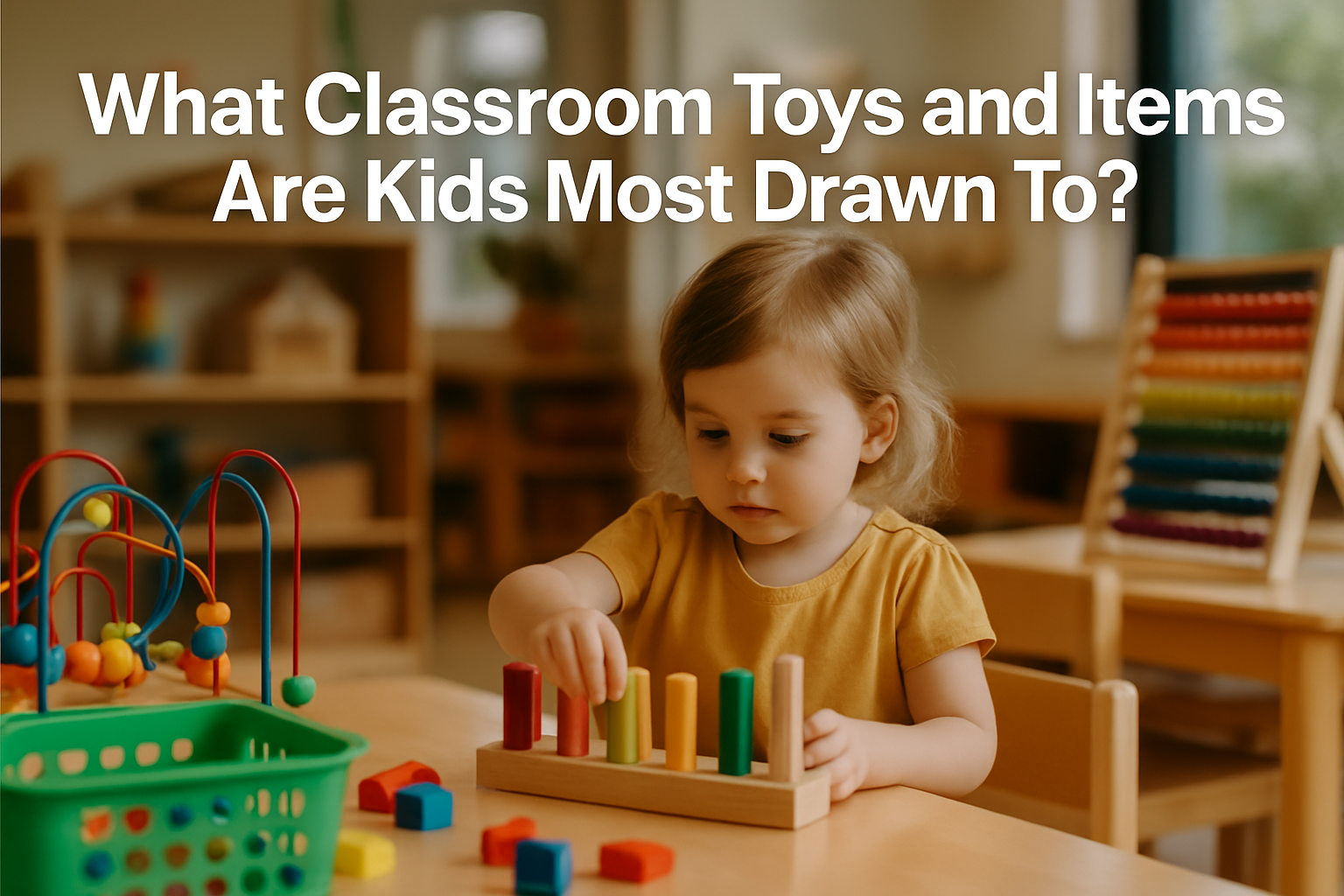

Introduction The realm of children's play is vibrant and filled with endless...